
Emeralds as a Historical Investment
Emeralds have been cherished for centuries, not just for their captivating beauty but also for their significance as symbols of wealth, power, and status. These precious gemstones have adorned royal jewelry collections and been treasured as valuable assets throughout history. In this article, Emeralds as a Historical Investment, we explore their role in royal jewelry, their historical association with wealth, and their enduring appeal as long-term investment opportunities.
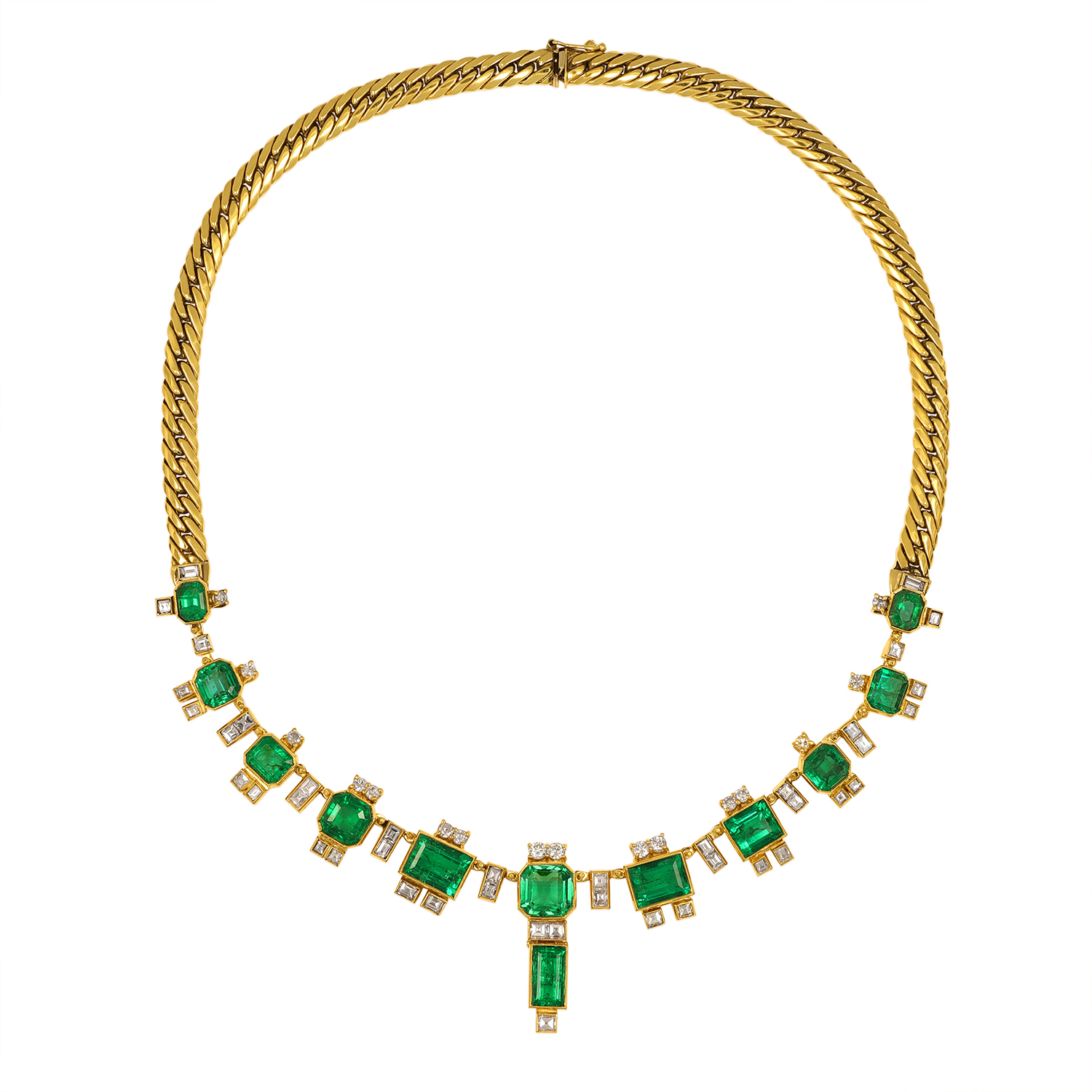
Emeralds in Royal Jewelry Collections
Emeralds have a rich history of association with royalty, symbolizing power and prestige:
- Cleopatra’s Treasure: The Egyptian queen was renowned for her love of emeralds, often gifting them as symbols of her wealth and divine favor. Read more in Cleopatra and emeralds.
- Mughal Empire: Mughal emperors prized emeralds for their vibrant green hues, often inscribing them with prayers and setting them in turban ornaments, jeweled objects and thrones. The best-known survivor, the 217.80-carat Mogul Mughal emerald, is dated 1695–96. Discover more about the emeralds of the Mughal.
- European Monarchies: Emeralds have been central to many royal collections. In Britain, the Imperial State Crown alone is set with 11 emeralds, according to the Royal Collection Trust, and the royal collection holds famous emerald jewels such as Queen Mary’s Delhi Durbar emeralds. Many of Europe’s finest stones came from Colombia, carried across the Atlantic after the 16th century, as told in the history of emeralds.
- Modern Royalty: Emeralds continue to grace royal events. Queen Mary’s Art Deco emerald choker was given to Princess Diana by Queen Elizabeth II as a wedding gift in 1981, and Diana famously wore it as a headband in Melbourne in 1985. Catherine, Princess of Wales, wore the same choker in 2022, an iconic example of the emerald’s timeless appeal.
These royal connections have cemented emeralds as symbols of wealth and enduring legacy. See more royal and historic pieces in famous emerald jewelry pieces.
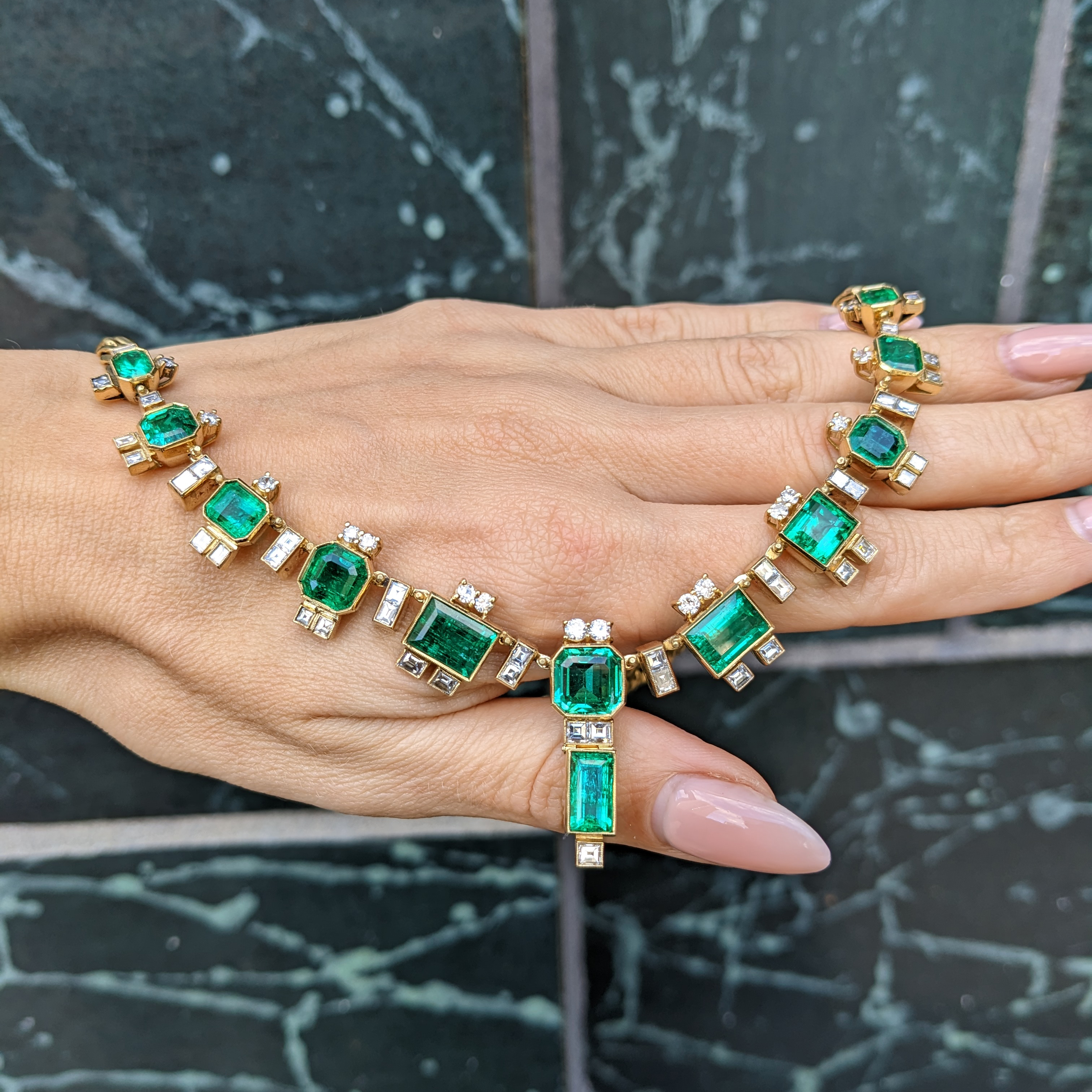
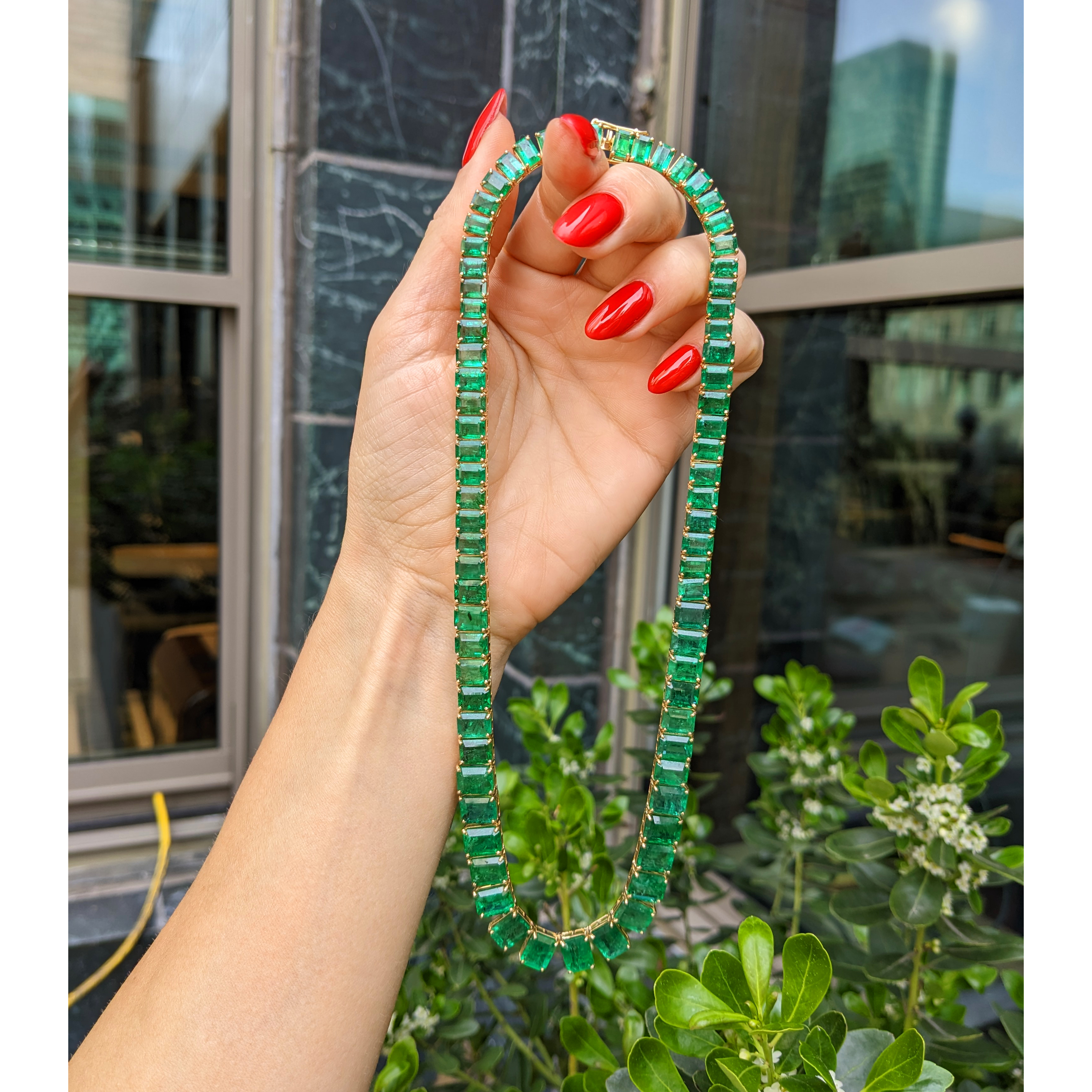
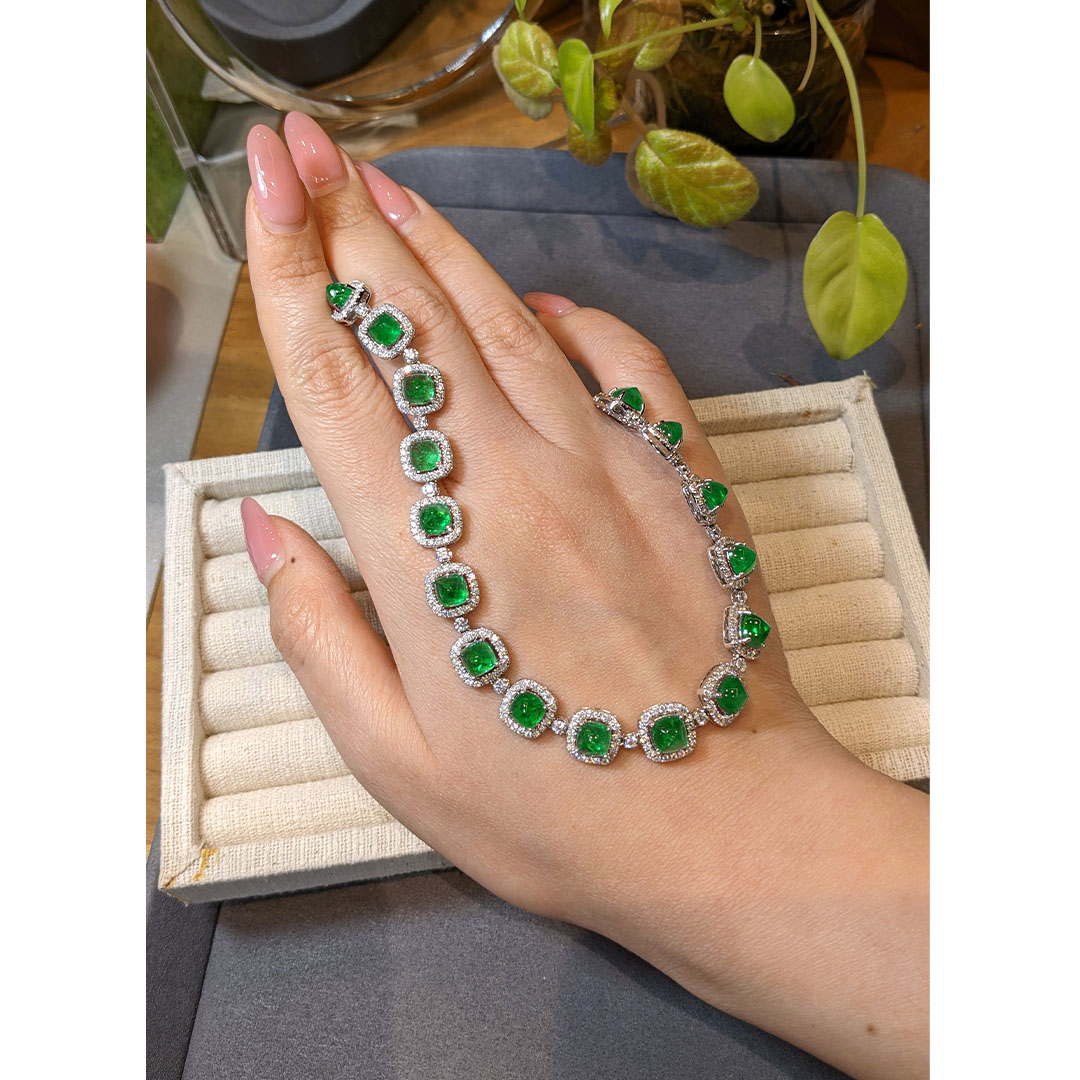
If royal jewelry inspires you, explore our emerald necklaces and pendants.
Historical Significance of Emeralds in Wealth
Emeralds have long been associated with wealth and financial security:
- Ancient Trade and Commerce:
- Emeralds were highly sought after along ancient trade routes. Egypt’s mines supplied the ancient world, and after the Spanish reached Colombia in the 16th century, Colombian emeralds of exceptional quality were traded across the globe.
- Merchants valued emeralds as portable assets, trading them for goods and services across continents.
- Treasures of the Elite:
- Throughout history, emeralds adorned the wealthy elite, from European aristocrats to Middle Eastern and Indian rulers, symbolizing their high social standing.
- Investment During Turbulent Times:
- Emeralds were often kept as assets during periods of economic uncertainty, appreciated for their enduring value and for how much wealth a single small stone could hold.
Emeralds’ historical significance as a store of wealth makes them a trusted choice for collectors and investors. Today’s Colombian emeralds carry on that tradition.

Emeralds as Long-Term Investment Opportunities
Today, emeralds remain a viable investment option for many collectors, offering both financial and aesthetic value:
- Rarity and Demand:
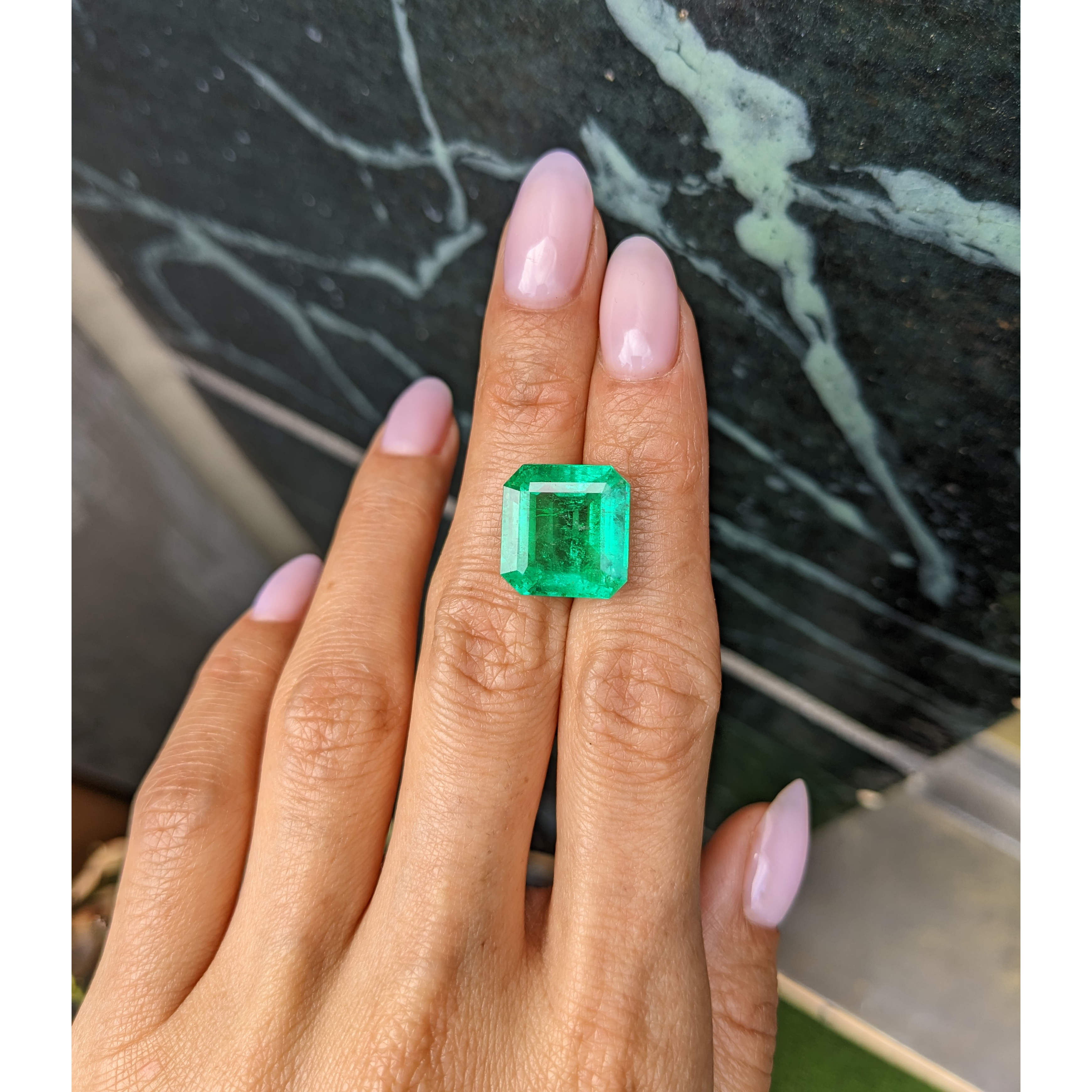
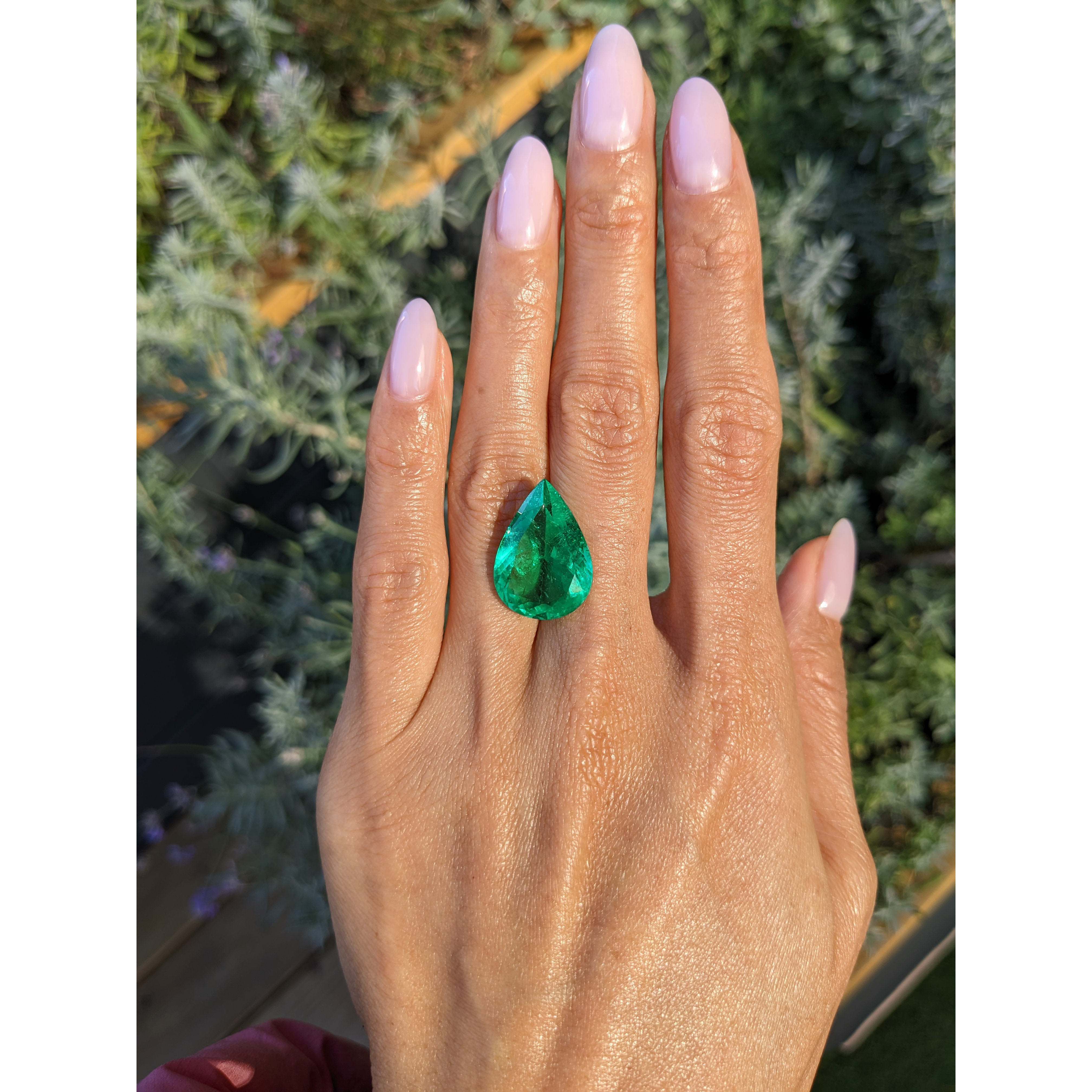
- High-quality emeralds, particularly those with vivid green hues and minimal inclusions, are rare and continue to command premium prices.
- Colombian emeralds, known for their exceptional quality, are especially sought after in the global market. Fine Zambian emeralds are also in strong demand; compare the two in Colombian vs. Zambian emeralds.
- Emeralds with no clarity enhancement are rarer still. At the time of writing, our 2.66 ct Colombian emerald with no enhancement (E5770) is priced at about $47,000 per carat, while our 14.84 ct Colombian pear with standard enhancement (E1892) is about $3,000 per carat.
- Value Appreciation:
- Prices for the finest emeralds have reached record levels, driven by growing demand and limited supply. In 2017 the 18.04-carat Rockefeller Emerald sold at Christie’s New York for $5,511,500, a world auction record of about $305,000 per carat, according to Christie’s.
- Vintage emerald pieces often fetch significant prices at auctions. In November 2024 the 37-carat Aga Khan emerald brooch sold at Christie’s Geneva for CHF 7,765,000, according to Guinness World Records. See more in famous emeralds around the world.
- Portfolio Diversification:
- Emeralds offer a tangible investment alternative to traditional assets like stocks and bonds, appealing to those looking for diversified wealth storage. Like any tangible asset, an emerald is not guaranteed to rise in value, so choose a stone you love and seek independent advice for financial decisions.


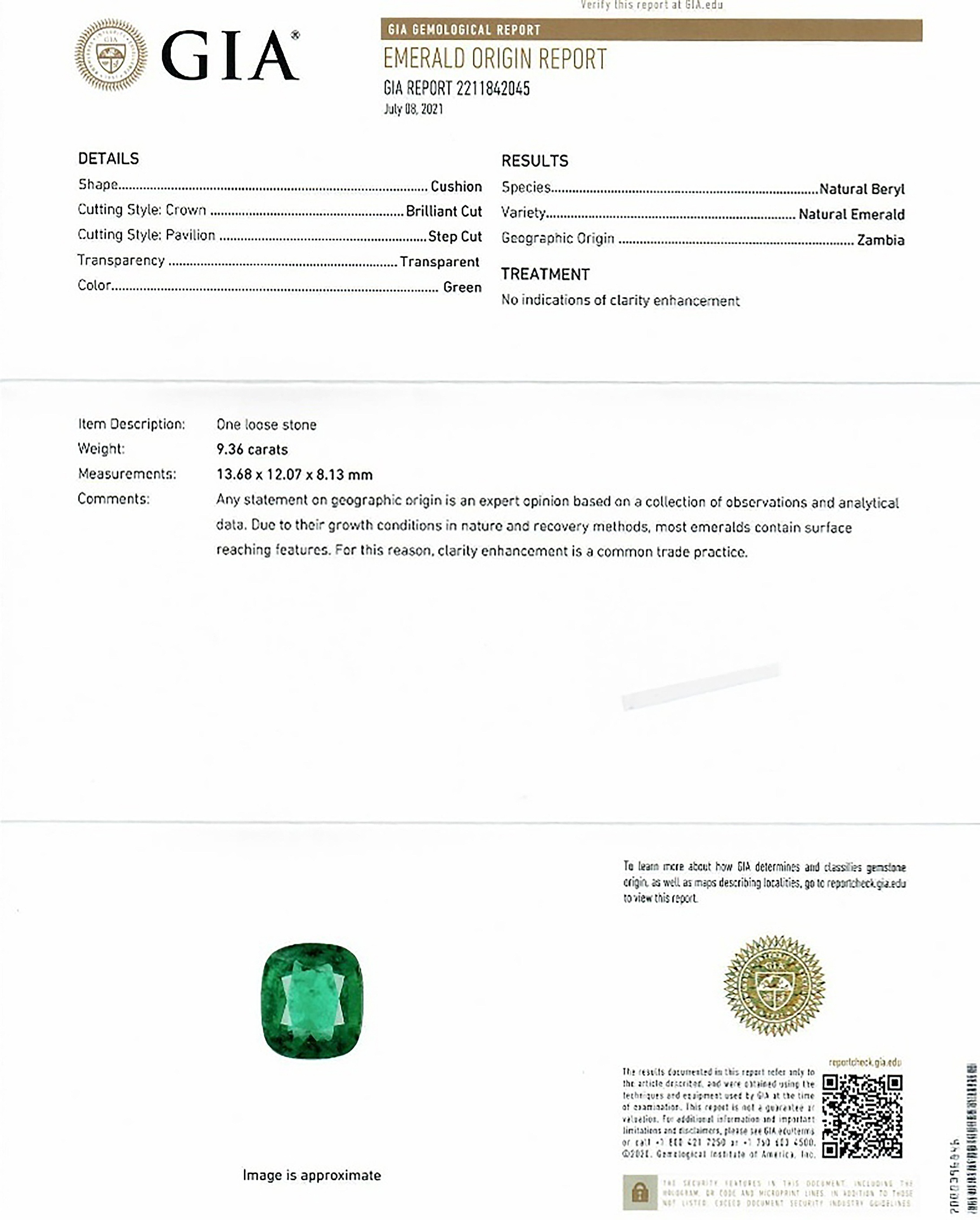
Investing in emeralds requires careful selection and authentication to ensure their quality and long-term value. Look for an independent laboratory report that confirms the stone is natural and states any clarity enhancement, since most emeralds are treated with oil or resin as a common trade practice. Our guides to factors influencing emerald value and certifications and appraisals in investments explain what to check.
Conclusion
Emeralds have stood the test of time as symbols of wealth and status, treasured by royals and elites throughout history. Their rarity, beauty, and enduring value make them not only historical treasures but also promising long-term investments. Whether as part of a regal collection or a personal asset, emeralds continue to captivate and enrich those who value their timeless appeal.
Continue with our emerald investment potential guide. Ready to own a piece of this history? Browse our Colombian emeralds, our gemologist favorites or our emerald rings.
Frequently Asked Questions
Are emeralds a good investment?
Fine emeralds have a long history as stores of value, and the best stones have set auction records. Value depends on color, clarity, size, origin and enhancement, and no gemstone is guaranteed to rise in price, so buy a stone you love and keep its laboratory report.
Which emeralds hold their value best?
Emeralds with a vivid green color, good transparency, little or no clarity enhancement and a respected origin such as Colombia, documented by an independent laboratory report, are the most sought after.
What is the most expensive emerald per carat?
The 18.04-carat Rockefeller Emerald, which sold at Christie’s New York in 2017 for $5,511,500, a record of about $305,000 per carat.
Do royal families still wear emeralds?
Yes. Queen Mary’s Art Deco emerald choker, once worn by Princess Diana, was worn by Catherine, Princess of Wales, in 2022.
Sources: Royal Collection Trust: The Imperial State Crown; Christie’s: Magnificent Jewels New York results, June 2017; Guinness World Records: Most expensive emerald per carat; Vanity Fair: Princess Diana’s emerald headband.