
The Science Behind Emerald’s Green Color
Why are emeralds green? Emerald is beryl colored mainly by trace amounts of chromium, vanadium or both, which replace a little aluminum in the crystal and absorb parts of the red and violet-blue light passing through, leaving green to reach the eye. Iron then nudges the hue toward bluish or yellowish green, and the strength of that green is the biggest driver of an emerald’s value. The sections below explain the chemistry and the geology behind it, with real stones from our inventory.
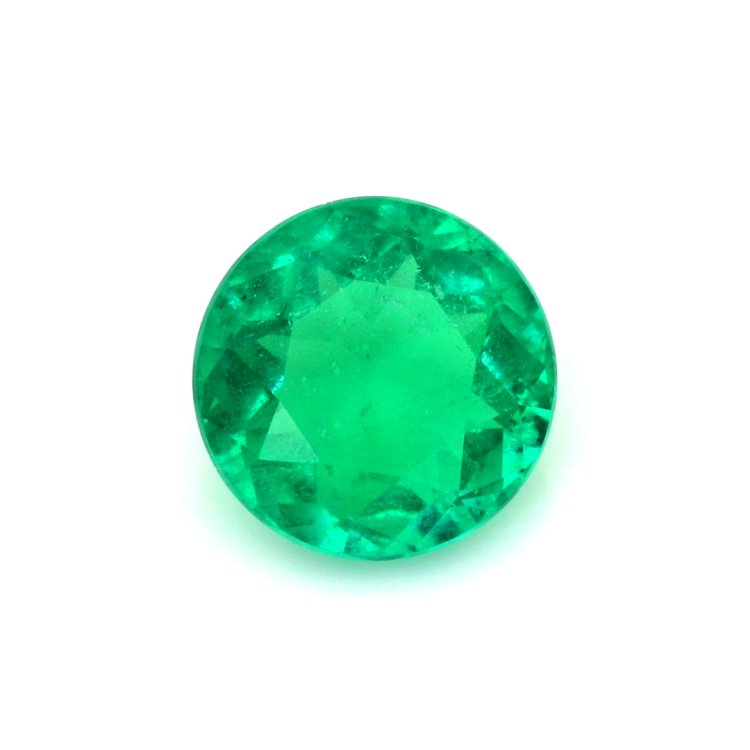
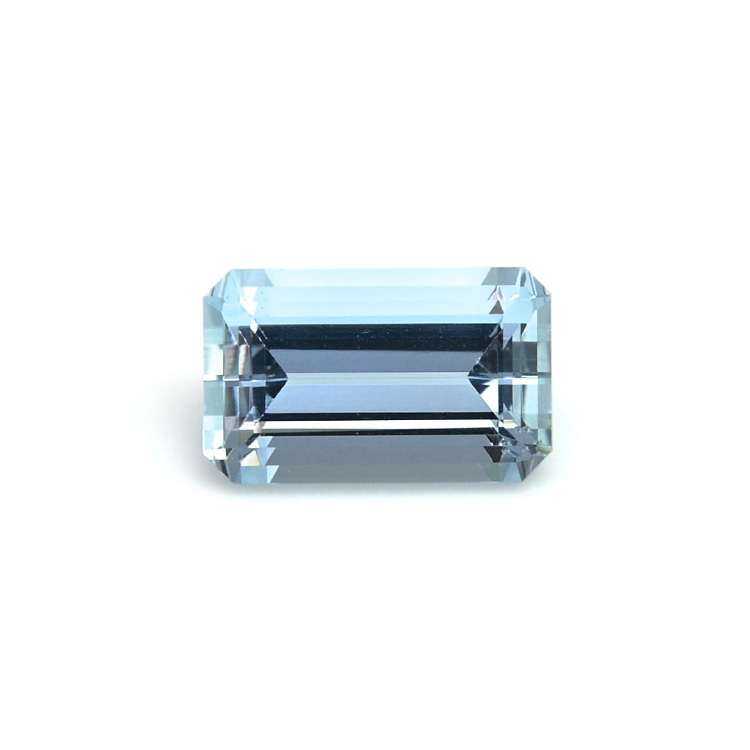
Emerald Is a Variety of Beryl
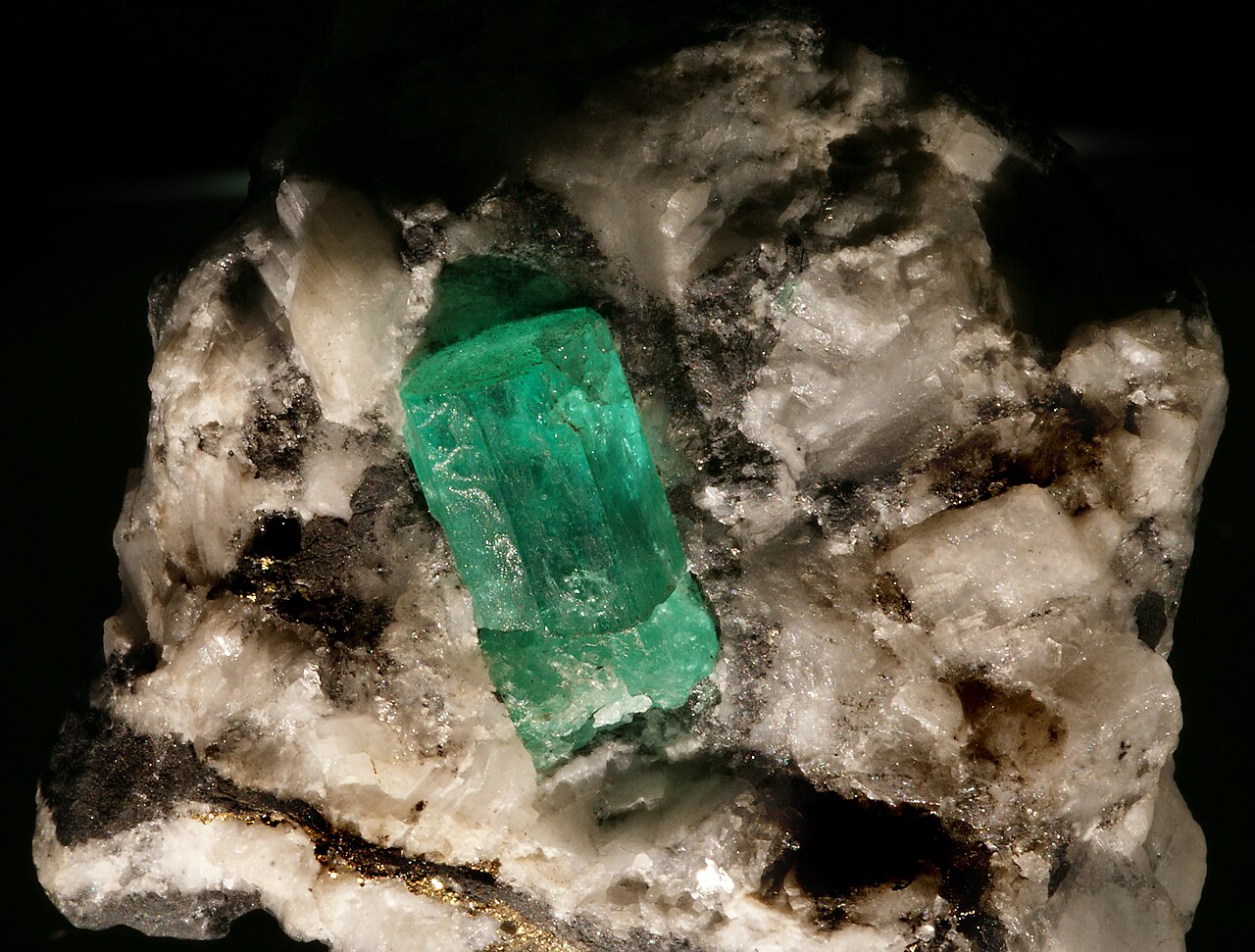
Emerald belongs to the beryl family, a mineral made of beryllium, aluminum, silicon, and oxygen. Pure beryl is colorless. Its other color varieties include aquamarine (blue to greenish blue), morganite (pink to orange-pink), and heliodor (yellow).
What makes an emerald an emerald is its green color, produced mainly by trace amounts of chromium, vanadium, or both.
How Trace Elements Create Color
Gemstone color usually comes from how a crystal absorbs light. White light contains all visible wavelengths. When certain atoms sit inside a crystal structure, they absorb some of those wavelengths. What we see is the light that remains.
Chromium
In emerald, chromium replaces a small amount of aluminum in the beryl structure. In this position it absorbs light strongly in parts of the red and violet-blue regions of the spectrum. The light that passes through and reaches our eyes is dominated by green, with a touch of blue.
Chromium can also cause red fluorescence. In some emeralds, especially those low in iron, this contributes to a lively, glowing quality.
Vanadium
Vanadium can produce a very similar green when it sits in the same position. Some emeralds owe most of their color to vanadium, and many contain both elements. In the trade, a green beryl is generally called emerald when its color is a sufficiently strong green, rather than based strictly on which element produced it, though industry views on pale stones and terminology have differed over time.
Iron
Iron is common in beryl and has its own influence. It can add blue or yellow tones depending on how it is incorporated. In emerald, iron often shifts the color toward bluish green or yellowish green, and it can dampen fluorescence. This helps explain why emeralds from different deposits can show distinctive color tendencies.
A Geological Coincidence
Emeralds are rare partly because their ingredients usually do not meet. Beryllium is a relatively scarce element concentrated in certain granitic rocks and pegmatites. Chromium and vanadium are more typically found in rocks such as ultramafic rocks, derived from the Earth’s mantle, or in certain shales.
For emerald to form, geological processes must bring these chemically different sources together, usually through hot, mineral-rich fluids moving through rock. In many deposits, this happens where pegmatites or granitic fluids interact with chromium-bearing rocks. Colombian emeralds are an exception: they formed from hydrothermal fluids in sedimentary rocks, including black shales, without a direct link to granite.

Hue, Tone, and Saturation
Gemologists usually describe color using three components.
Hue
Hue is the basic color. Emeralds range from yellowish green through pure green to bluish green. Many buyers prefer a pure green to slightly bluish green, but taste varies.
Tone
Tone describes how light or dark the color is. Emeralds that are too light may be considered green beryl rather than emerald. Those that are very dark can lose brilliance. Medium to medium-dark tones are often considered desirable.
Saturation
Saturation is the intensity or purity of the color. Strongly saturated emeralds look vivid and lively; weakly saturated stones may look grayish or brownish.
Emerald Color in Our Inventory
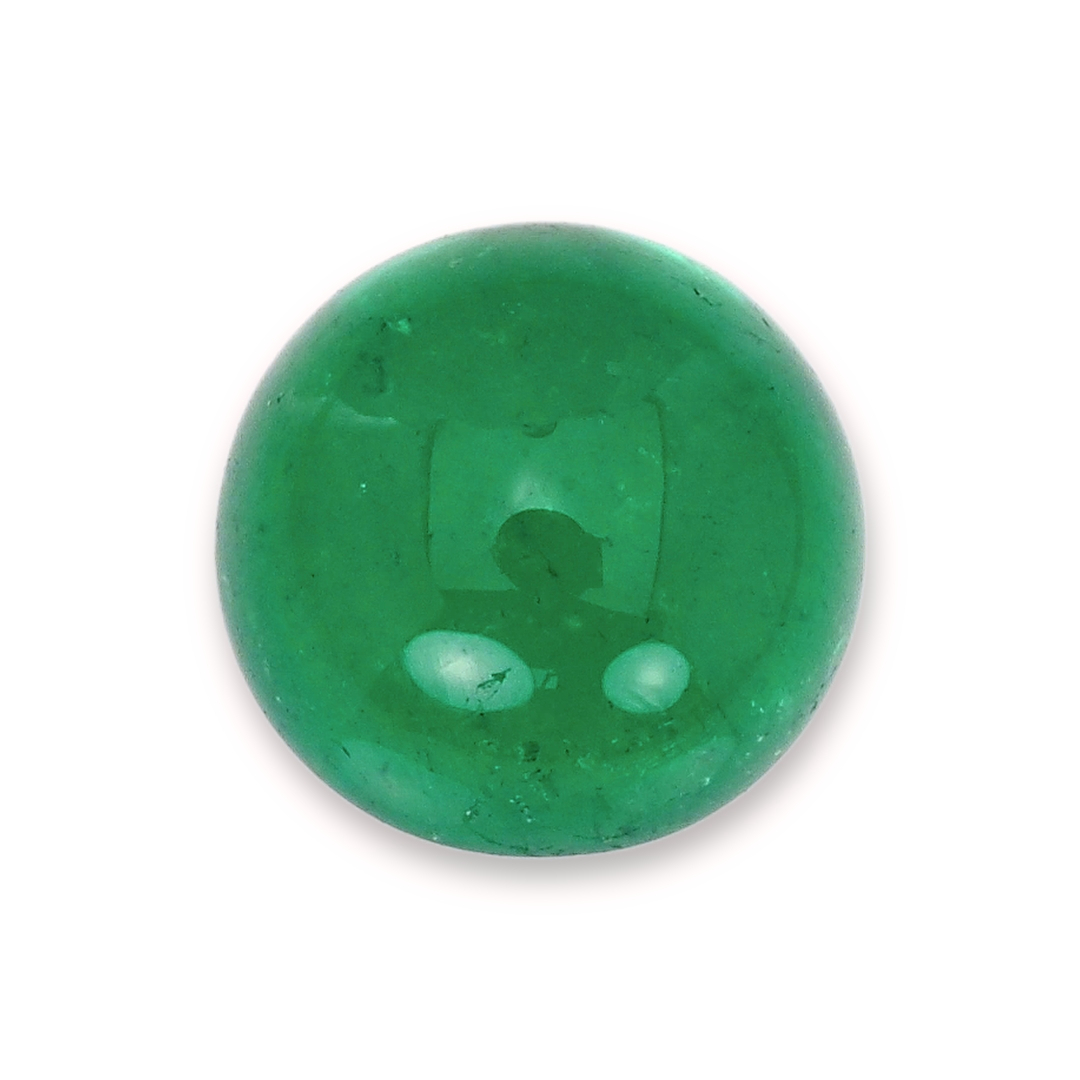
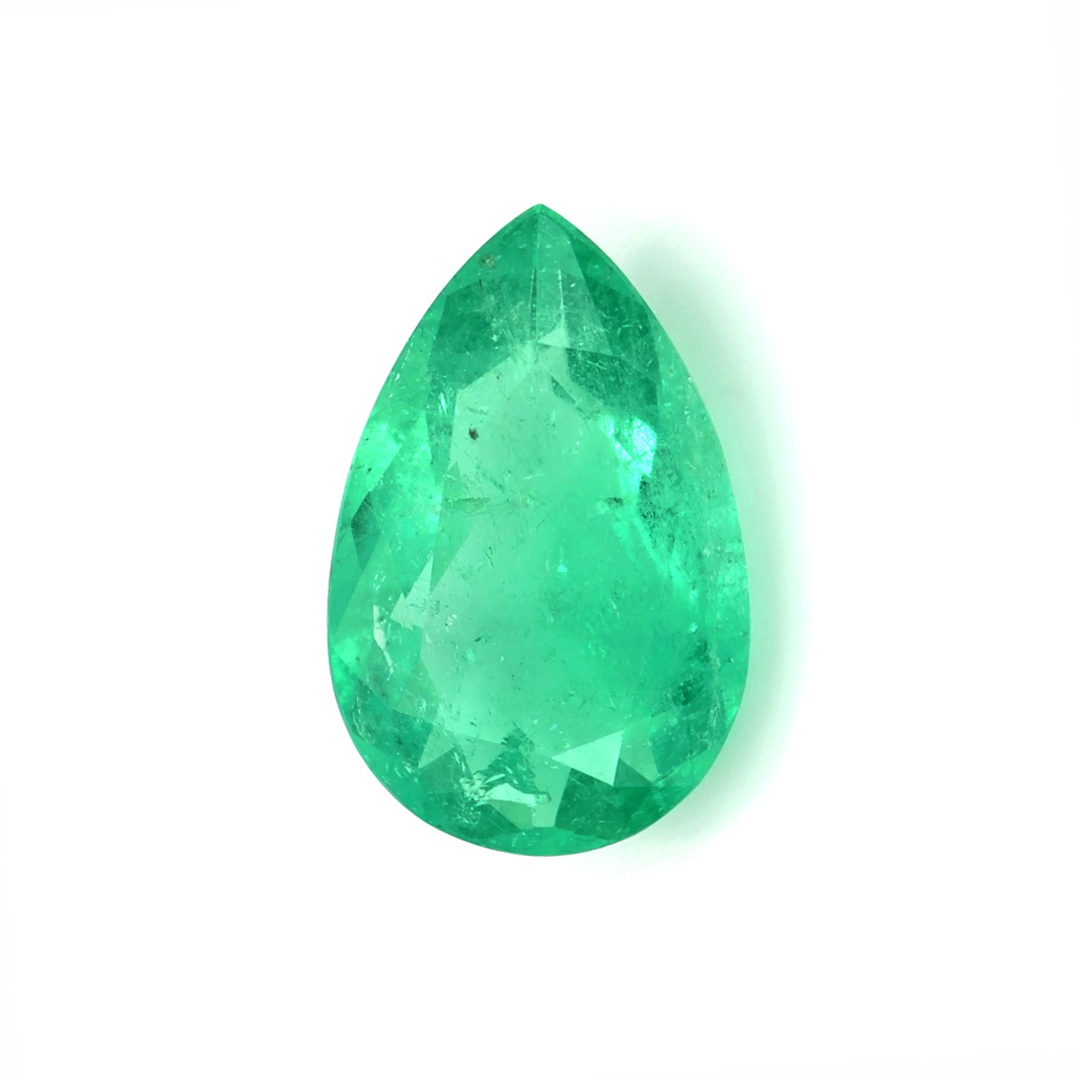
Our listings grade color intensity, and the grades are easy to compare on real stones. The 2.71 ct Colombian round S5007 and the 1.18 ct Zambian round E1885 are both listed as Intense green, the 1.61 ct Colombian cabochon E10312 as Vivid, and the 3.82 ct Colombian pear E1894 as Medium. Two Zambian rounds, E1885 and the 1.32 ct E945, share an origin and an intensity grade, yet their hue and tone still differ in the photographs, a reminder that origin gives tendencies and not rules (see Colombian vs. Zambian Emeralds).
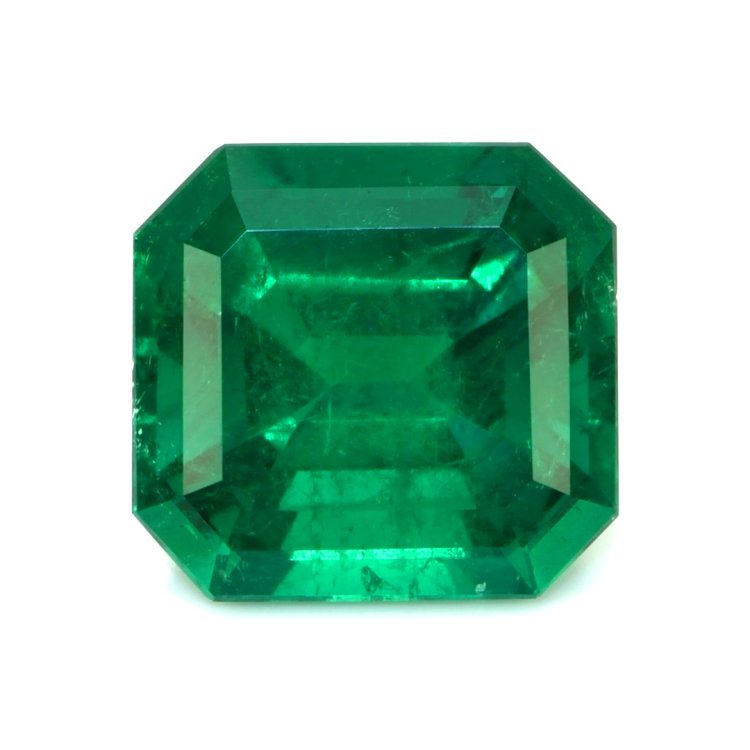
Medium is not a weak grade. The 3.84 ct Colombian emerald cut E3498 is listed as Medium green and as No Enhancement, and it is a good example of a lighter, cleaner tone whose color is still evenly spread. If you are comparing stones, read the grade together with the photographs and ask us for more views.
Color at the Top End: Our Highest-Priced Emeralds
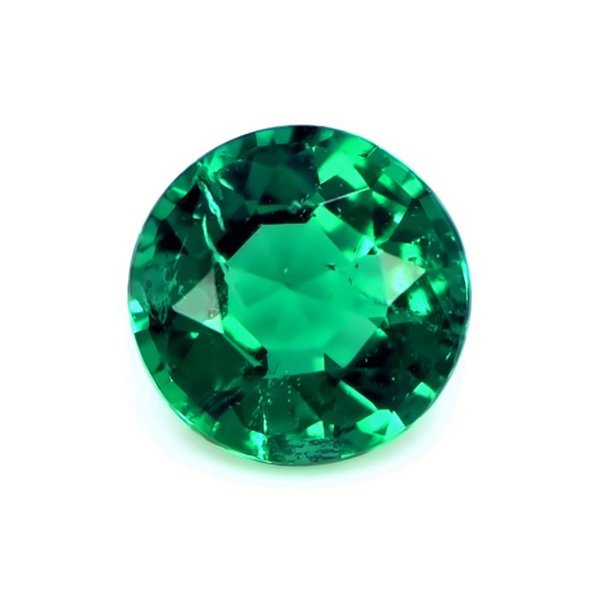
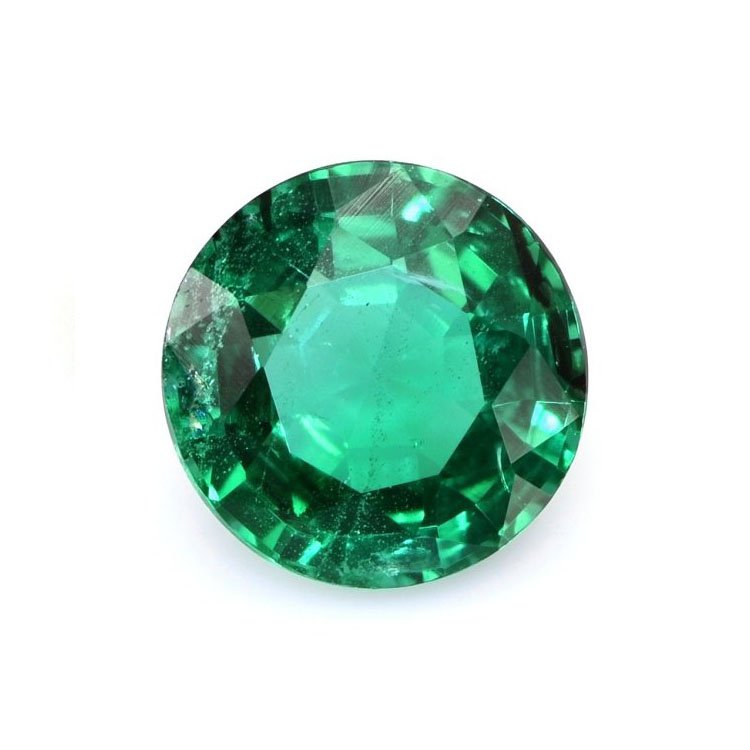
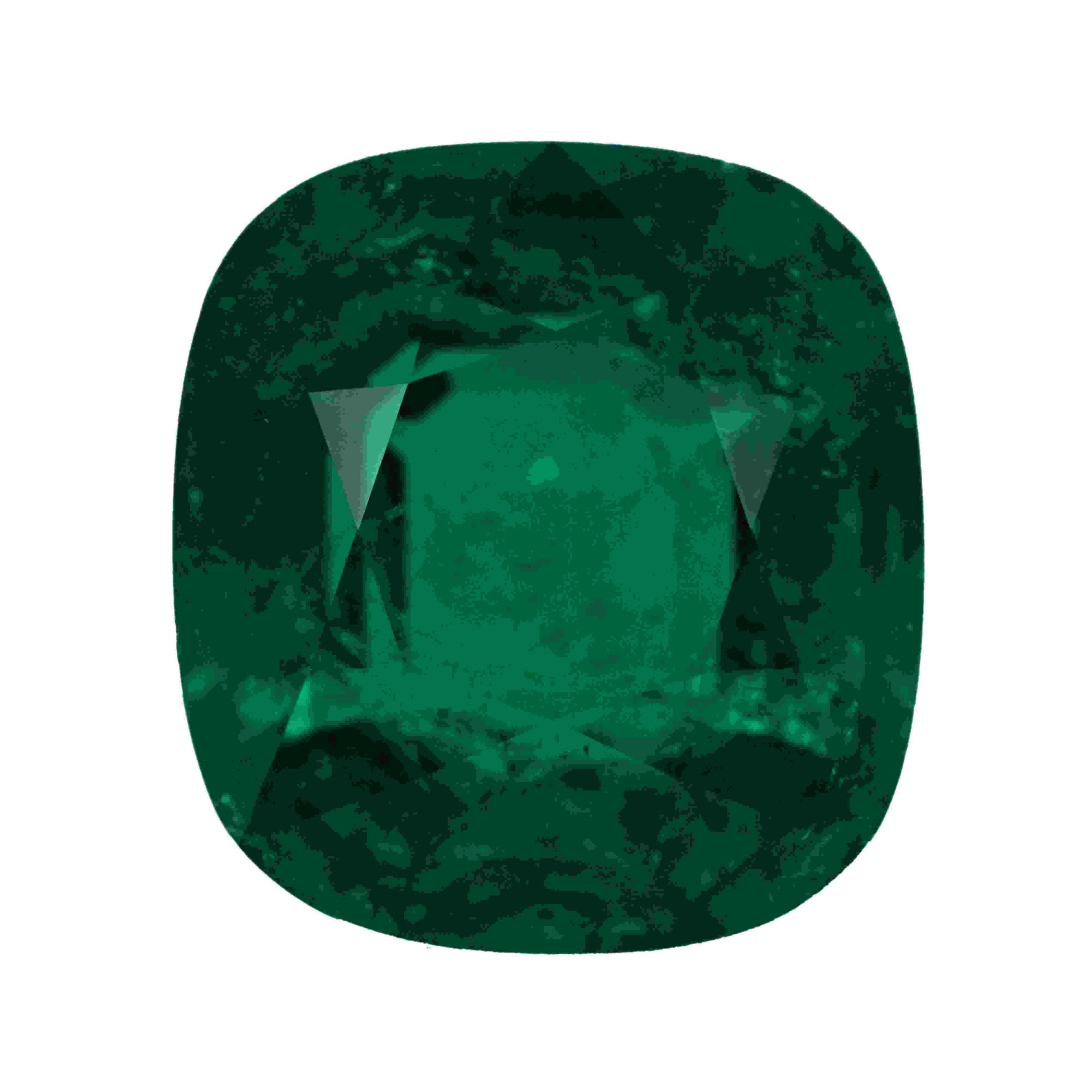
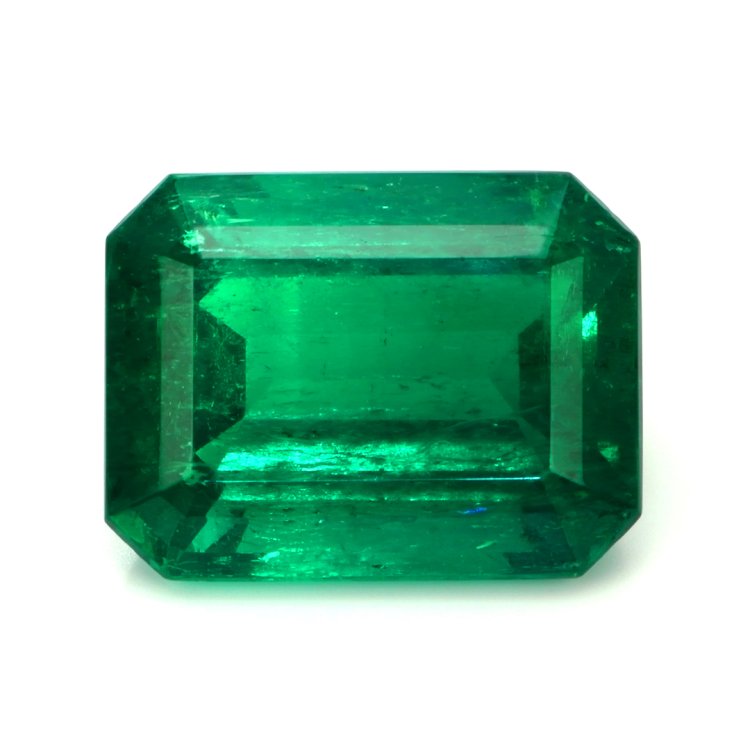
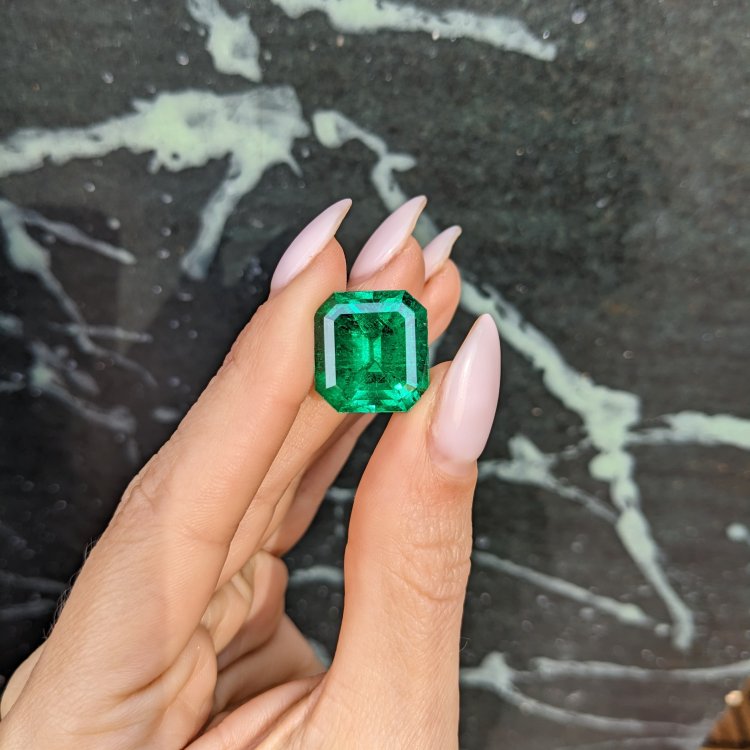
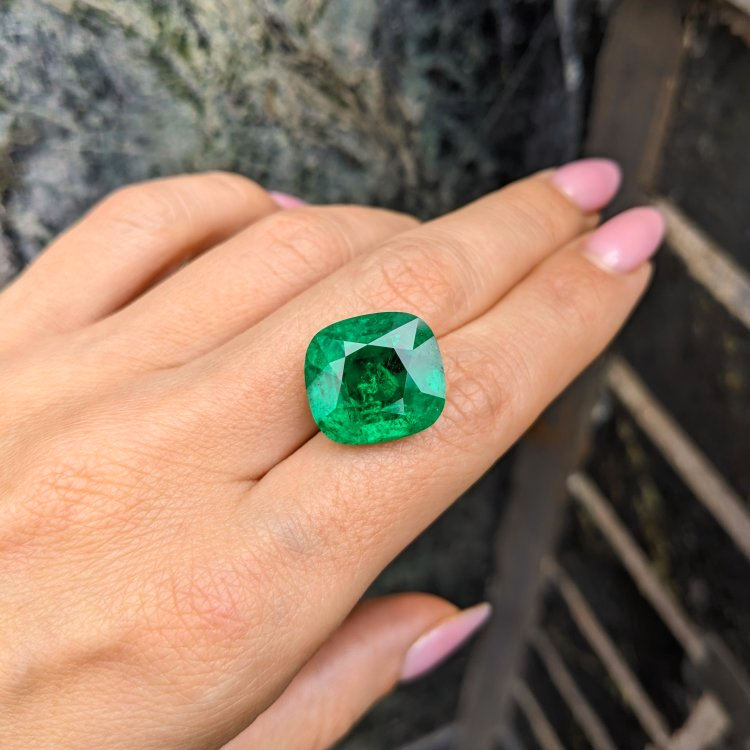
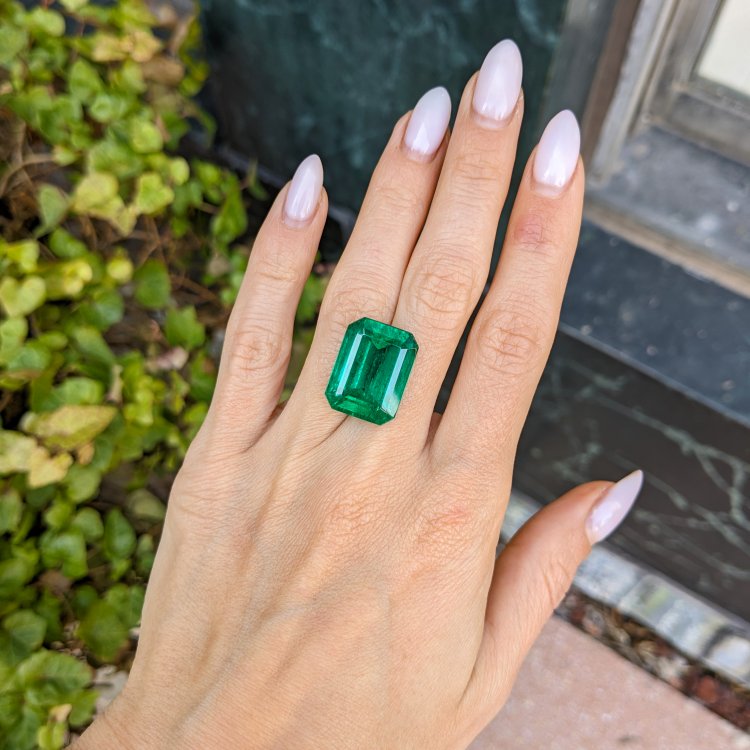
These are three of the highest-priced emeralds in our inventory at the time of writing, shown on a white background and on the hand. Prices change as stones sell, so use the links for current details.
Watch the Green Move: Handheld Videos
These handheld phone videos show the same three stones turning in the hand. Watch how the green changes with angle and light.
Does Treatment Affect Color?
Most emeralds are clarity enhanced with oils or resins, which can make color look more even but cannot create green that was not there. Colored fillers are a less accepted practice and must be disclosed. For how enhancement works and how to ask about it, see Inside an Emerald.
How Color Drives Emerald Value
Color is generally the most important value factor for emerald. A vivid, evenly distributed green with good transparency is highly prized, often more than perfect clarity. Inclusions are expected in emerald, and buyers tend to accept them in exchange for exceptional color.
When choosing an emerald, consider:
- Your preferred hue, whether slightly bluish, pure, or slightly yellowish green.
- Tone and saturation, avoiding stones that look washed out or overly dark.
- Even color distribution, without distracting zoning.
- Transparency, which affects how the color glows.
Frequently Asked Questions
What element makes emeralds green?
Emerald’s green comes mainly from chromium, vanadium, or both, replacing small amounts of aluminum in the beryl crystal.
What is the difference between emerald and green beryl?
Both are beryl. Emerald has a sufficiently strong green color, typically from chromium and/or vanadium. Pale green beryl, often colored mainly by iron, is usually called green beryl.
Why do some emeralds look bluish or yellowish?
Iron content, the balance of trace elements, and pleochroism all affect hue. Lighting conditions also play a role.
Can an emerald’s color change over time?
The intrinsic color of emerald is stable under normal conditions. However, if fillers in fractures dry out or discolor, the overall appearance may change, which is why gentle care is important.
What does “color intensity” mean on an emerald listing?
It is our listing’s grade for how strong the green appears, in steps such as Medium, Intense and Vivid. For example, E3498 is listed as Medium and E6192 as Vivid. It is worth reading the grade together with the photographs and, ideally, seeing the stone in your own light, which How Light Changes the Appearance of an Emerald explains.
Conclusion
Emerald’s green color is the result of chromium and vanadium finding their way into beryl, often against geological odds, with iron and crystal direction fine-tuning the final hue. Understanding that science helps you see why each emerald’s color is unique, and why color matters so much in choosing one.
If you would like help comparing emerald colors side by side, our team at The Natural Emerald Company is always glad to help. Explore our collection at emeralds.com.