
- Stone12
- Reports3
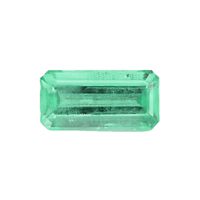
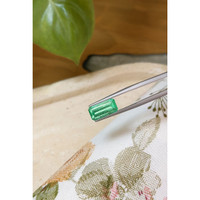
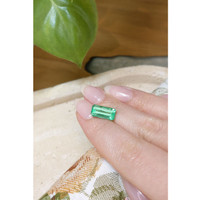
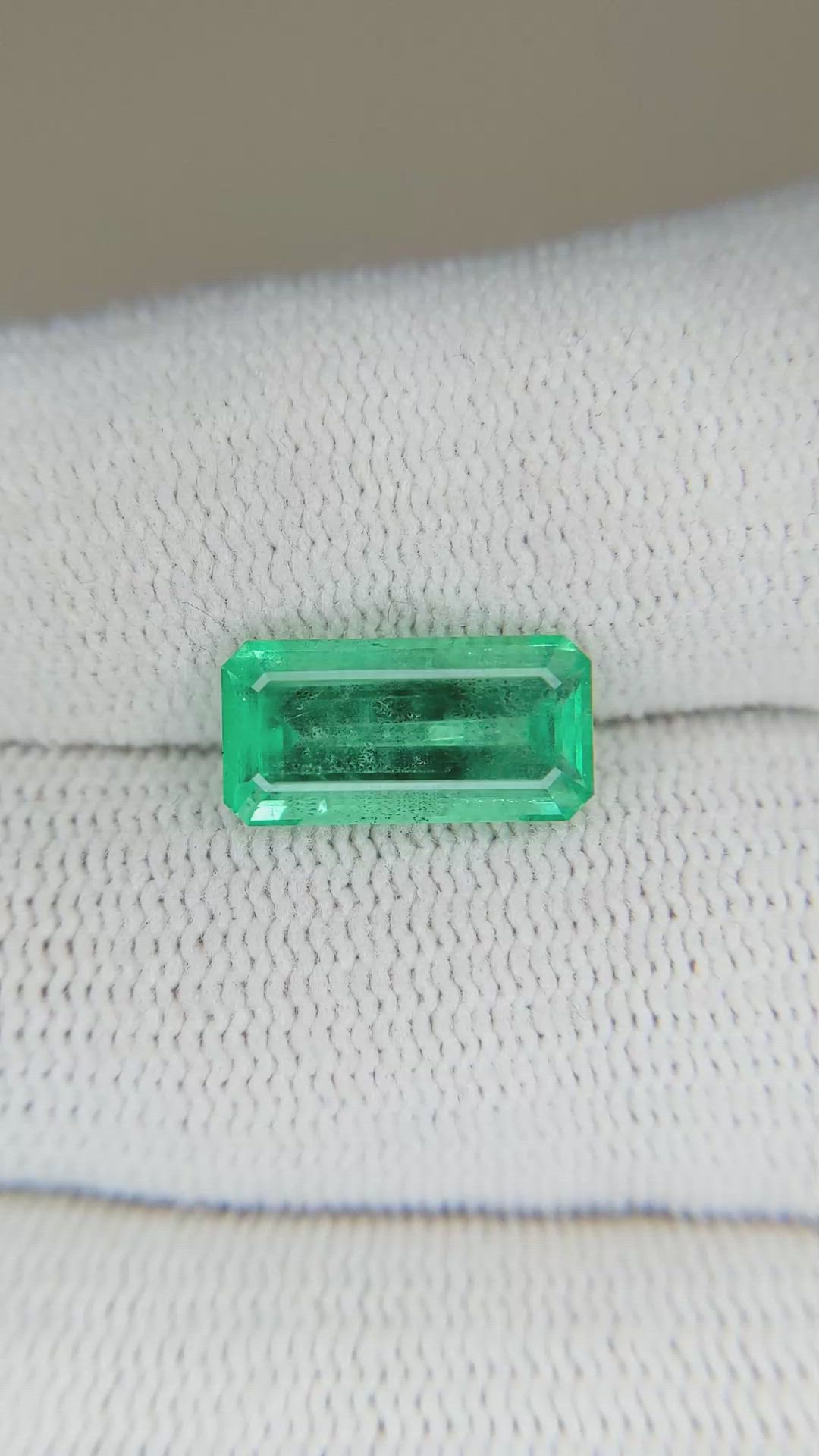

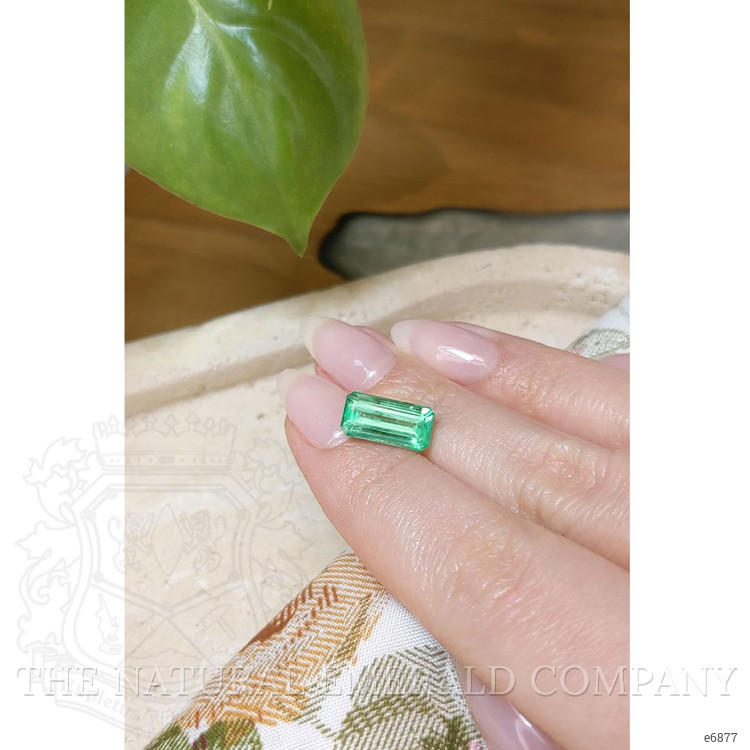

3.10 Ct. Emerald from Russia
Item ID: | E6877 |
|---|---|
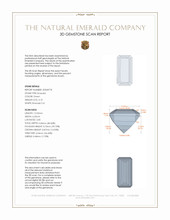
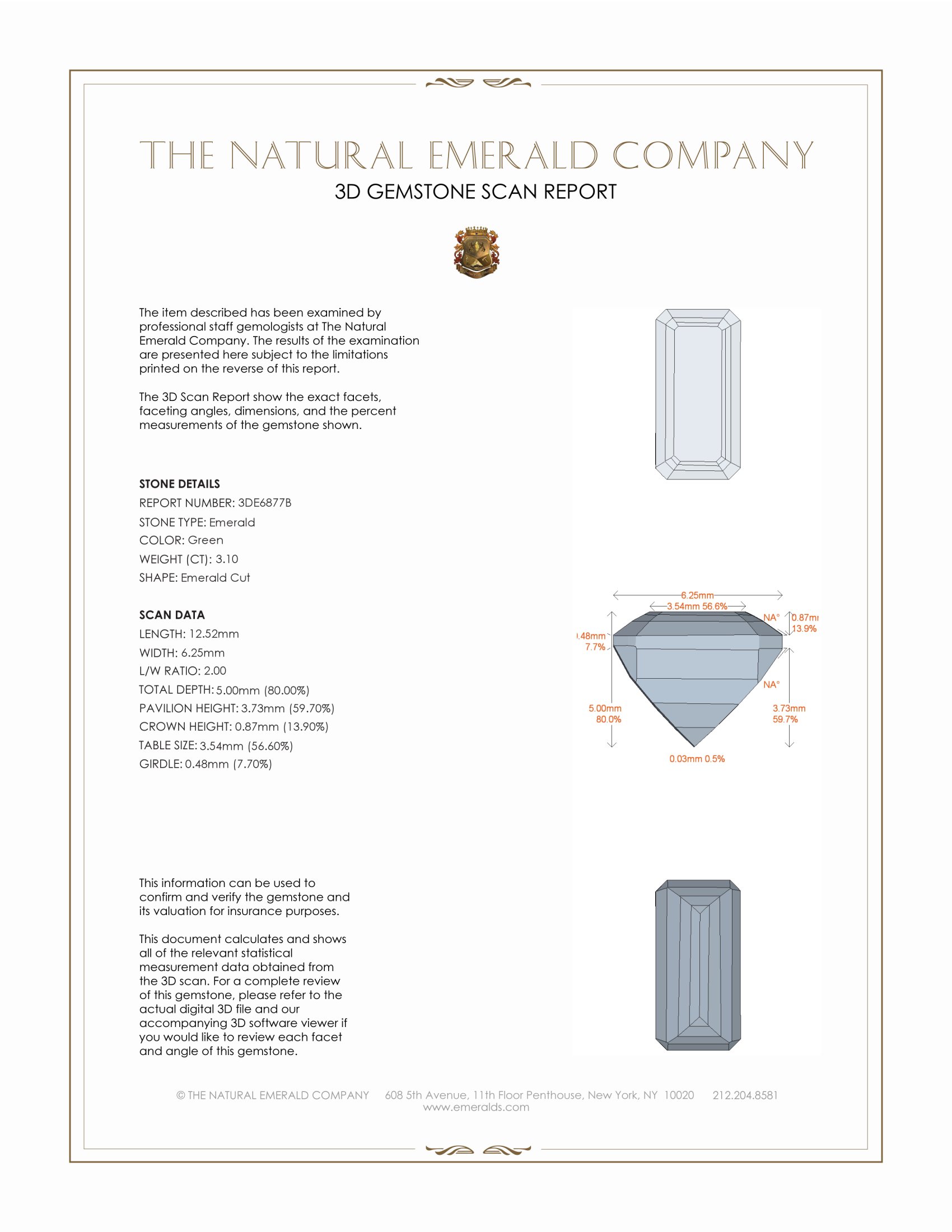
Dimensions (MM): help | Length: 12.52 Width: 6.25 Height: 5 |
Weight: | 3.10 Ct. |
Color: help | Green |
Color intensity: help | Light |
Clarity: help | Included |
Shape: help | Emerald Cut |
Cut: | Emerald Cut |
Cutting style: | Faceted |
Enhancements: help | Standard |
Origin: help | Russia |
Per carat price: help | $1,332 |
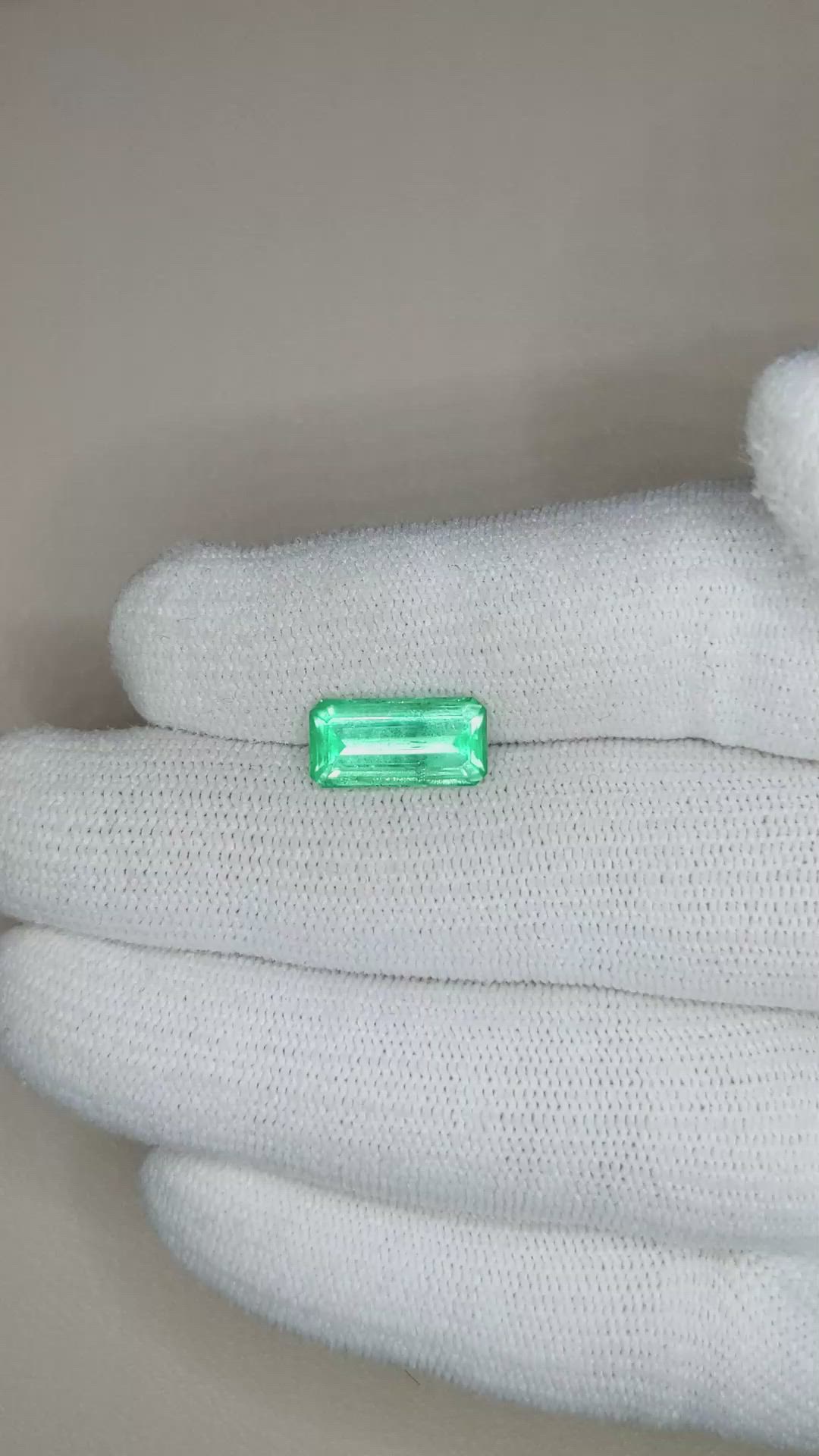
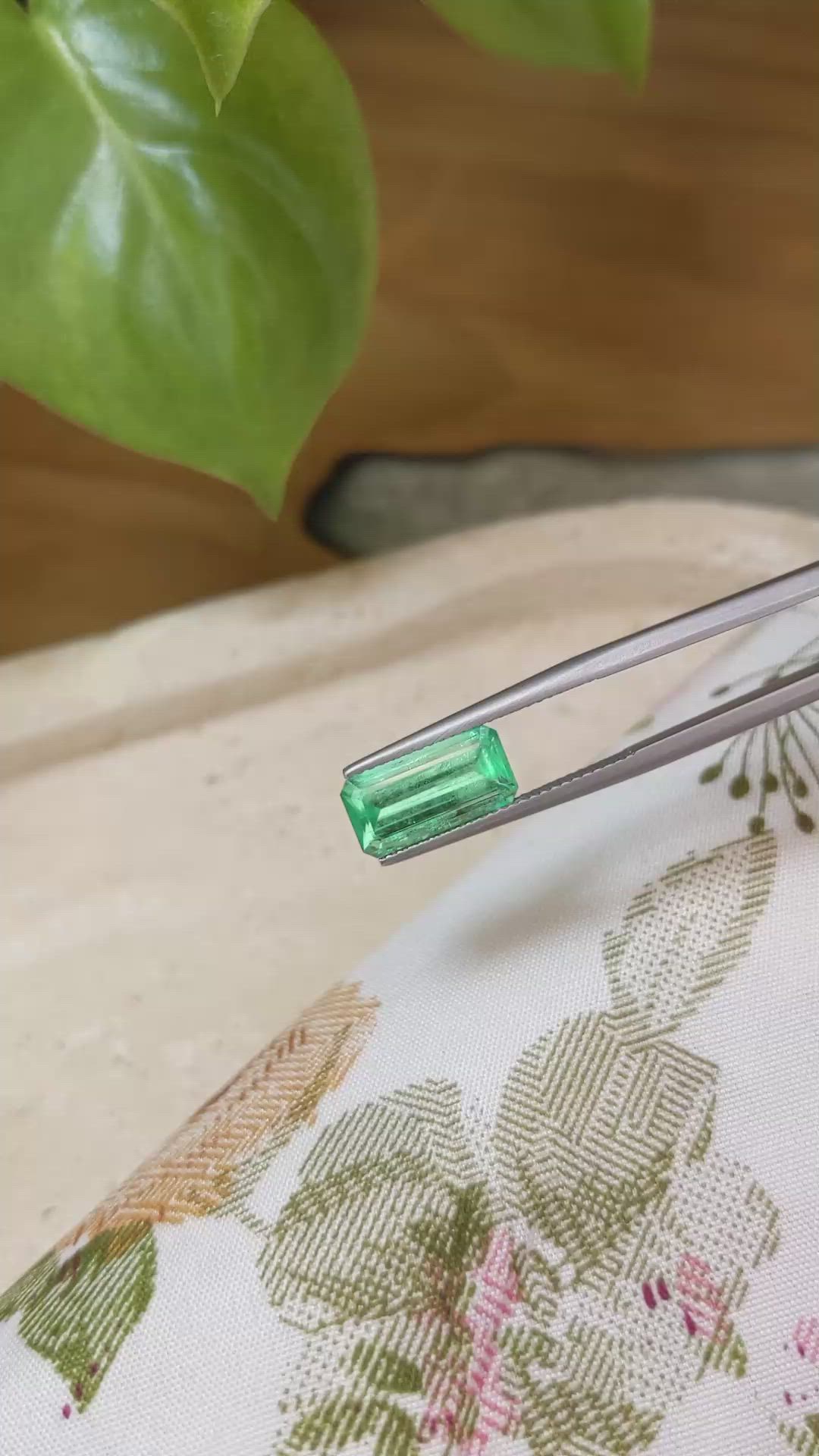
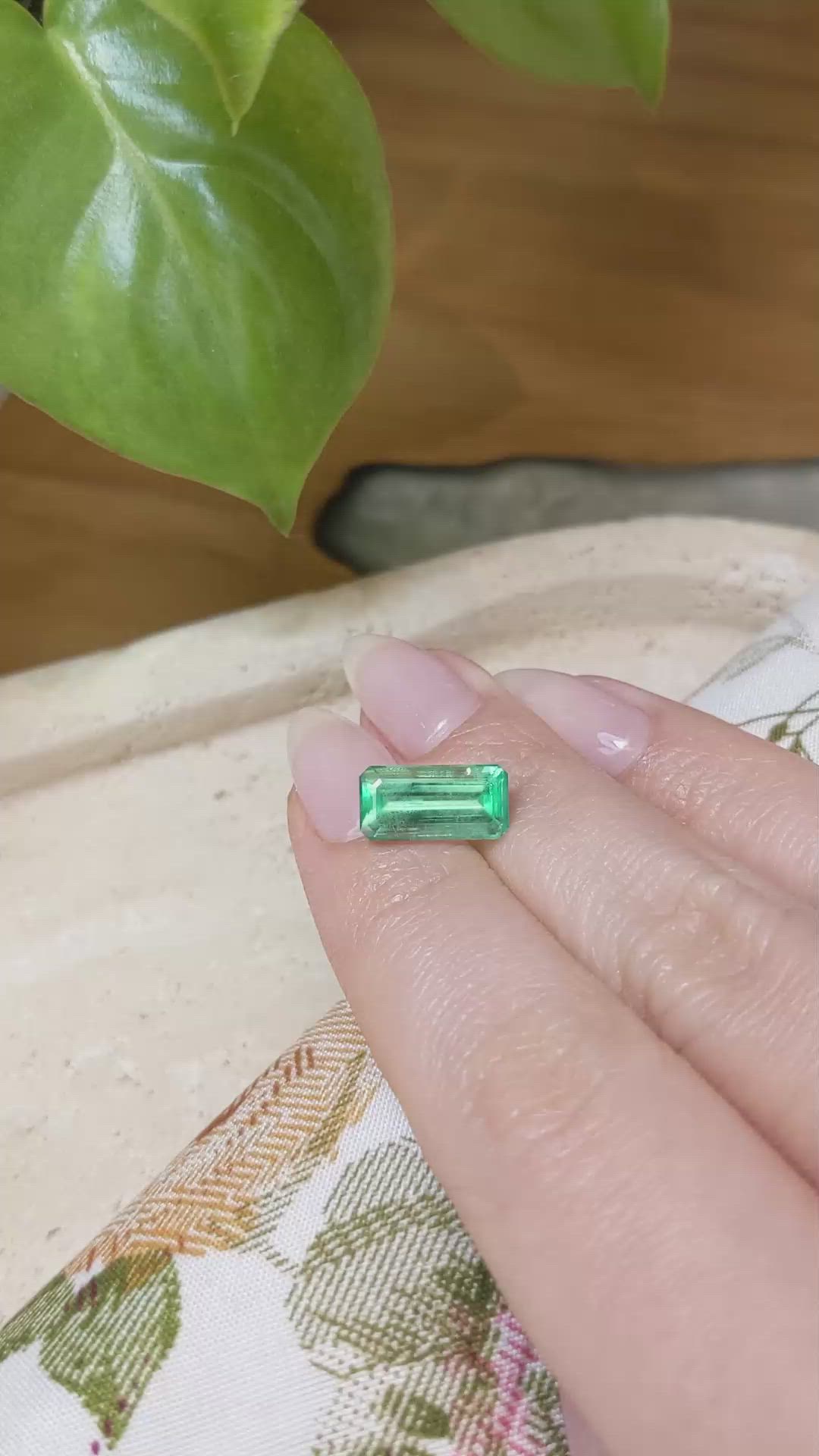
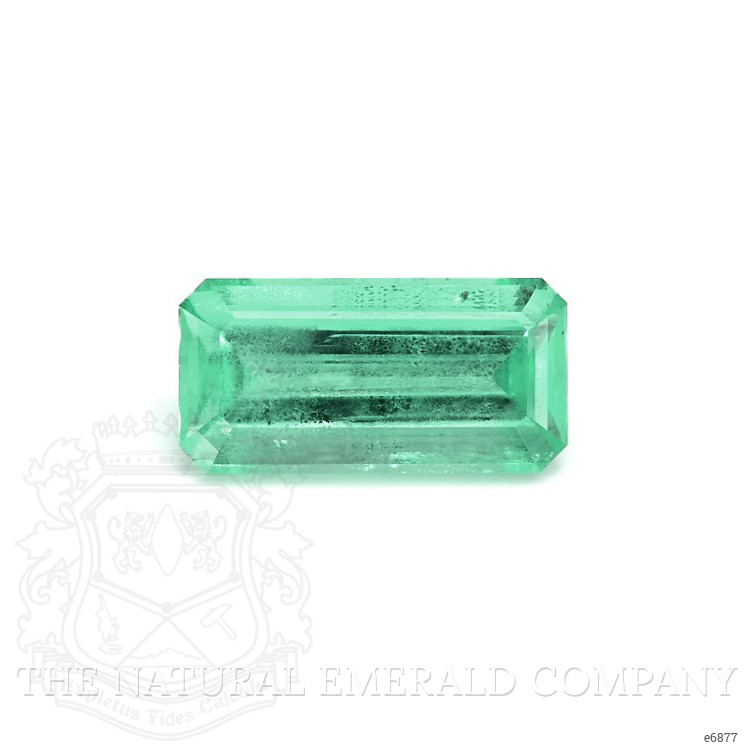
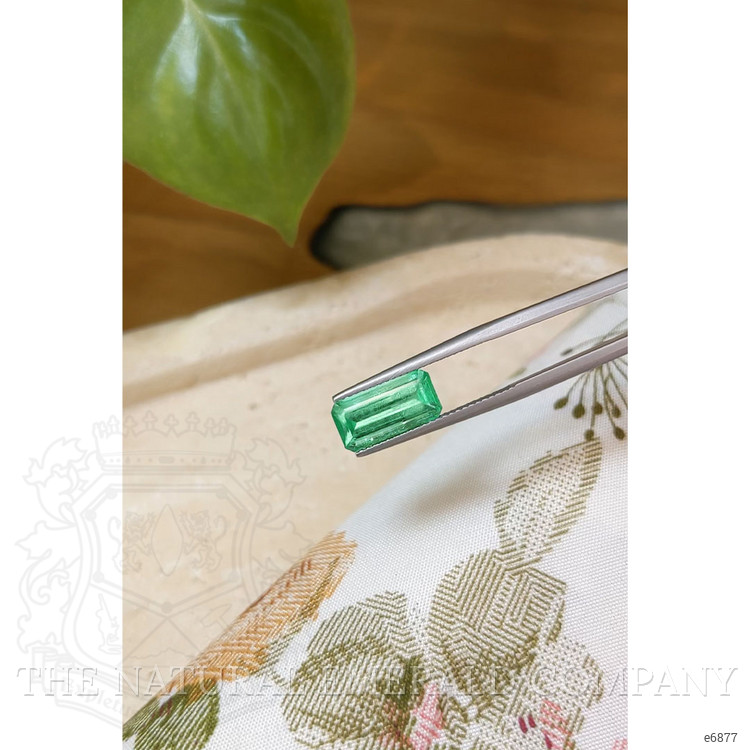
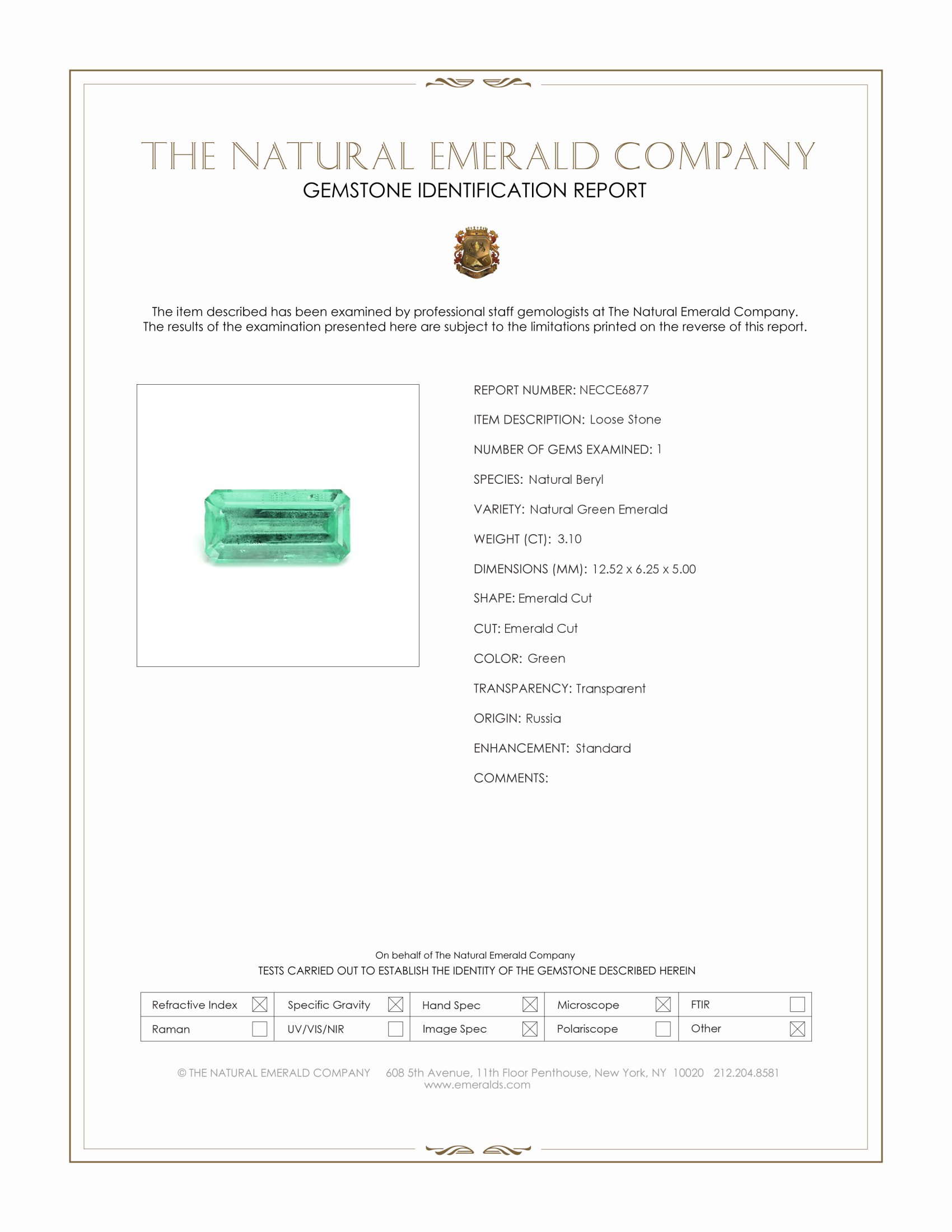
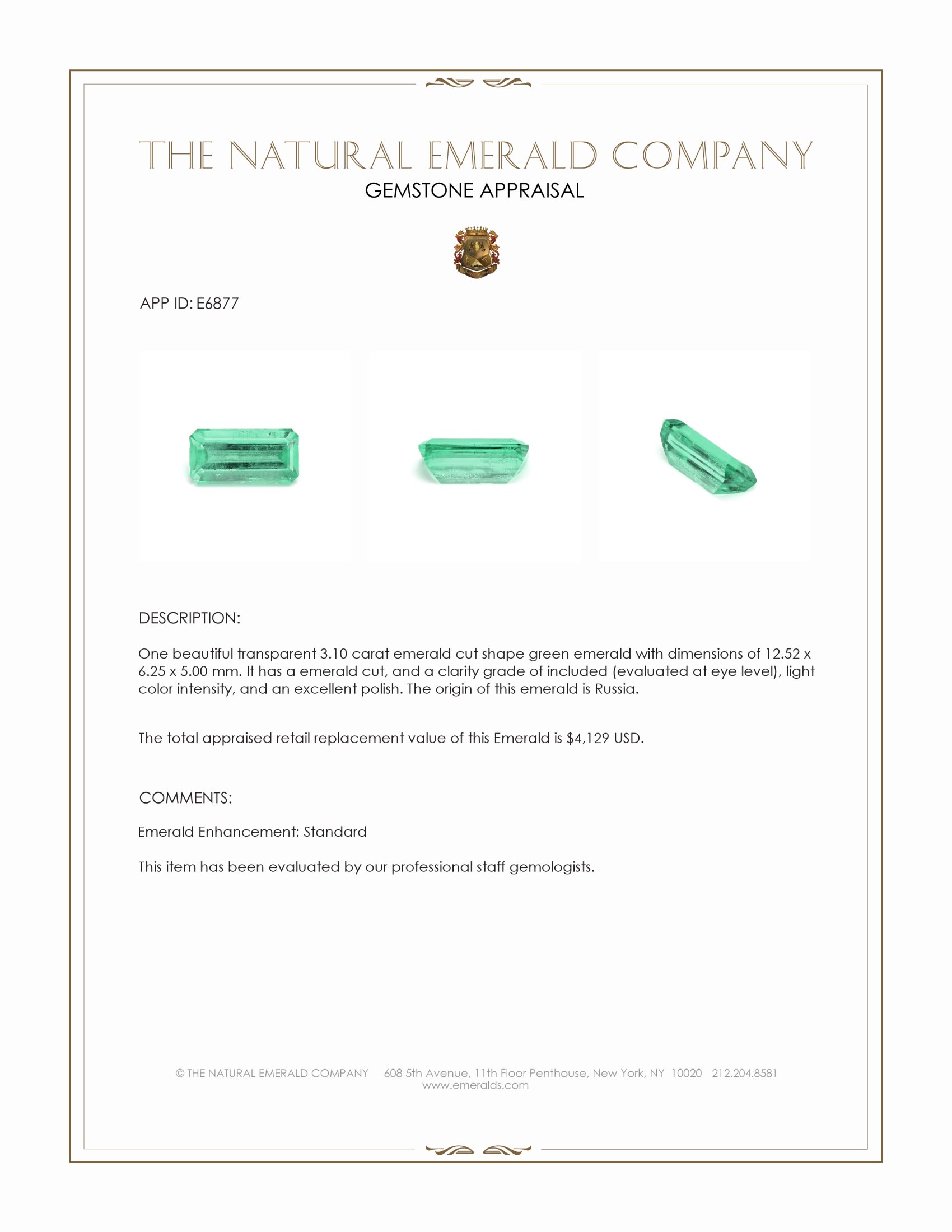
This emerald is a transparent, three point one zero carat, emerald cut gemstone, with finished dimensions of 12.52 x 6.25 x 5.00 mm, originating from Russia. The stone presents an emerald cut with the characteristic rectangular outline and truncated corners, reflecting precise step faceting geometry. Clarity has been graded as included, evaluated at eye level, which indicates the presence of naturally occurring internal features visible to the unaided eye, typical of fine emeralds. Color intensity is described as light, the hue is a classic green consistent with chromium and vanadium chromophores in beryl, and enhancement is standard, reflecting a conventional clarity treatment using stabilizing oils or resins. The polish is excellent, demonstrating a high quality lapidary finish with smooth facet planes, sharp facet junctions, and minimal surface abrasion. This description is offered by The Natural Emerald Company, and it reflects the gemological and craftsmanship characteristics that knowledgeable buyers prioritize.
The emerald cut is a stepped facet architecture designed to emphasize broad planes of color and controlled light return, rather than the rapid scintillation of brilliant cuts. On this stone the length to width ratio is approximately two to one, a proportion that elongates the table and enhances face up presence while maintaining balanced color distribution. The finished depth is five point zero zero mm, producing a depth that is approximately fifty three point three percent of the average of the length and width, a depth range that supports optimal light retention within the stone without excessive windowing. The crown and pavilion are organized into parallel, linear facets that operate as reflective channels, creating broad, flat flashes often described as a hall of mirrors effect. These wide facet planes return light in broad flashes across the table and step faces, enhancing the perception of color saturation in a light intensity designated as light, while also providing controlled contrast that delineates internal structure. The truncation at the corners reduces stress concentration and preserves the stone girdle integrity, while the stepped pavilion facets guide light back through the crown in wider, cohesive reflections, rather than dispersive sparkle. Excellent symmetry and consistent facet alignment are evident, allowing the stone to deliver predictable light behavior and uniform face up appearance under varied lighting conditions.
In terms of inclusions and treatments, a clarity grade of included evaluated at eye level implies visible inclusions that may take forms such as two phase or three phase inclusions, healed fissures, or mineral crystals, all of which are common in natural emeralds. The emerald cut and its large table place internal features in a predictable optical relationship to the observer, and a skilled cutter will orient the stone to minimize the visual impact of prominent inclusions while preserving weight and yield. Standard enhancement typically involves the introduction of colorless oils or resins into surface reaching fissures, a practice that reduces the visual contrast of inclusions and improves apparent transparency, while remaining reversible and documented within trade standards. The step cut is advantageous for such stones because its broad facets diffuse the appearance of internal structures, allowing the eye to perceive larger planes of color rather than a constellation of bright points, which is particularly suitable for a stone with light color intensity. Pleochroism in emerald, the directional variation of color intensity, interacts with the elongated emerald outline, producing subtle shifts between bluish green and yellowish green tones as the stone is rotated, and the cut maximizes this optical quality by aligning the lengthwise facets with the material’s optical axes.
The execution of cutting and finishing, as reflected by excellent polish and carefully controlled proportions, directly enhances the inherent optical properties of this Russian emerald. Polish quality reduces micro surface scattering, enabling the broad facet planes to act as efficient mirrors that return light coherently, and the meticulous facet junctions produce crisp reflection edges that strengthen the hall of mirrors effect. The cutter’s decision to maintain a moderate depth, and to tune the step angles for this material, increases internal light retention and reduces light leakage, thereby augmenting perceived saturation for the light intensity green. For practical use and mounting, an open backed prong or basket setting will maximize transmitted light and face up brilliance, while a bezel setting provides additional protection for the corners and is recommended when longevity and daily wear are priorities. The gem’s origin from Russia contributes to its character, as Ural region emeralds often exhibit a combination of classic green hue with distinct inclusion patterns, and The Natural Emerald Company presents this specimen with documentation of its enhancement and grading characteristics. For collectors and connoisseurs who value technical precision, this emerald represents a balance of natural formation, considered cutting strategy, and high quality finishing that together optimize light reflection, color presentation, and structural integrity.


