
- Stone13
- Reports3


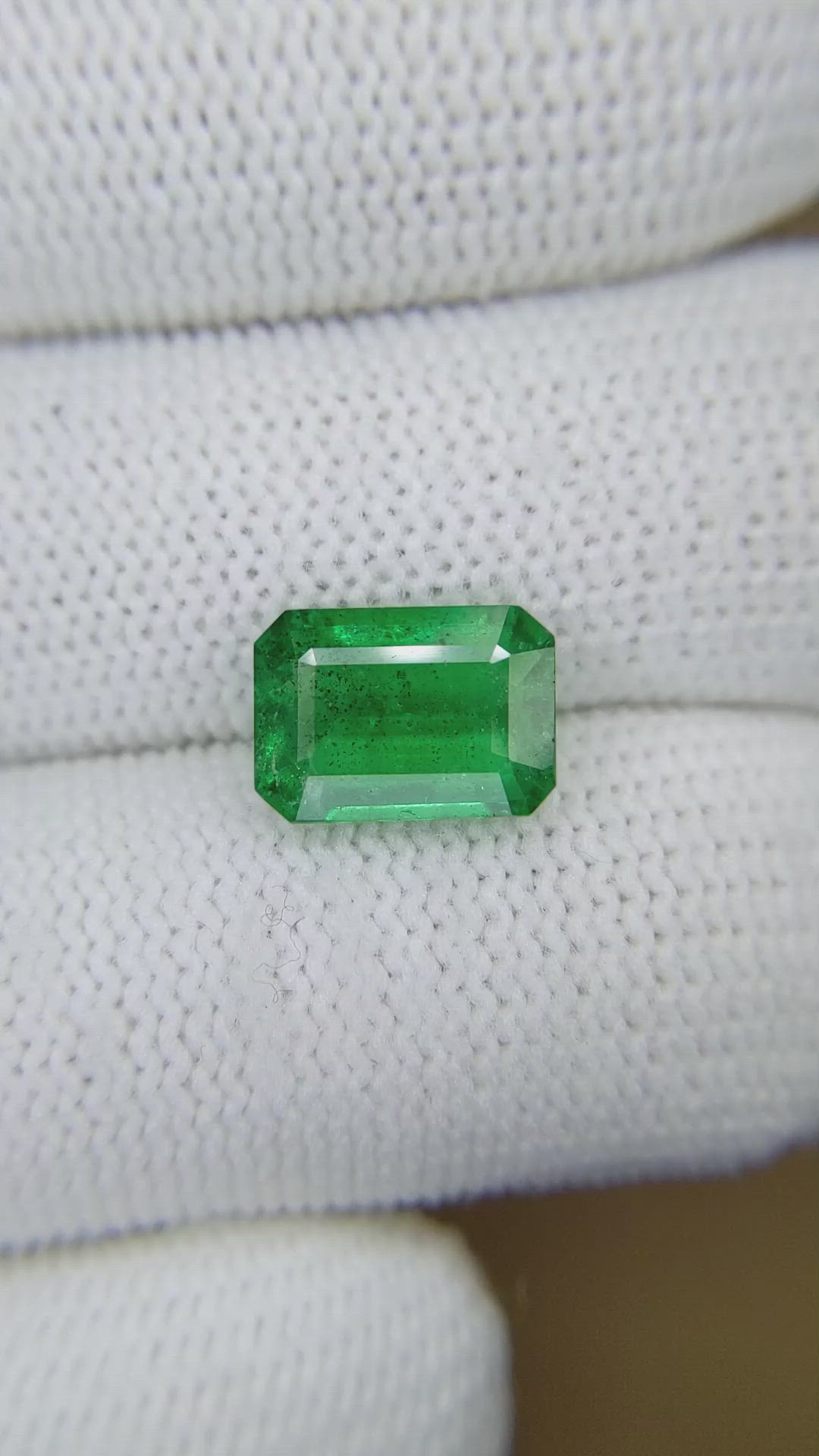
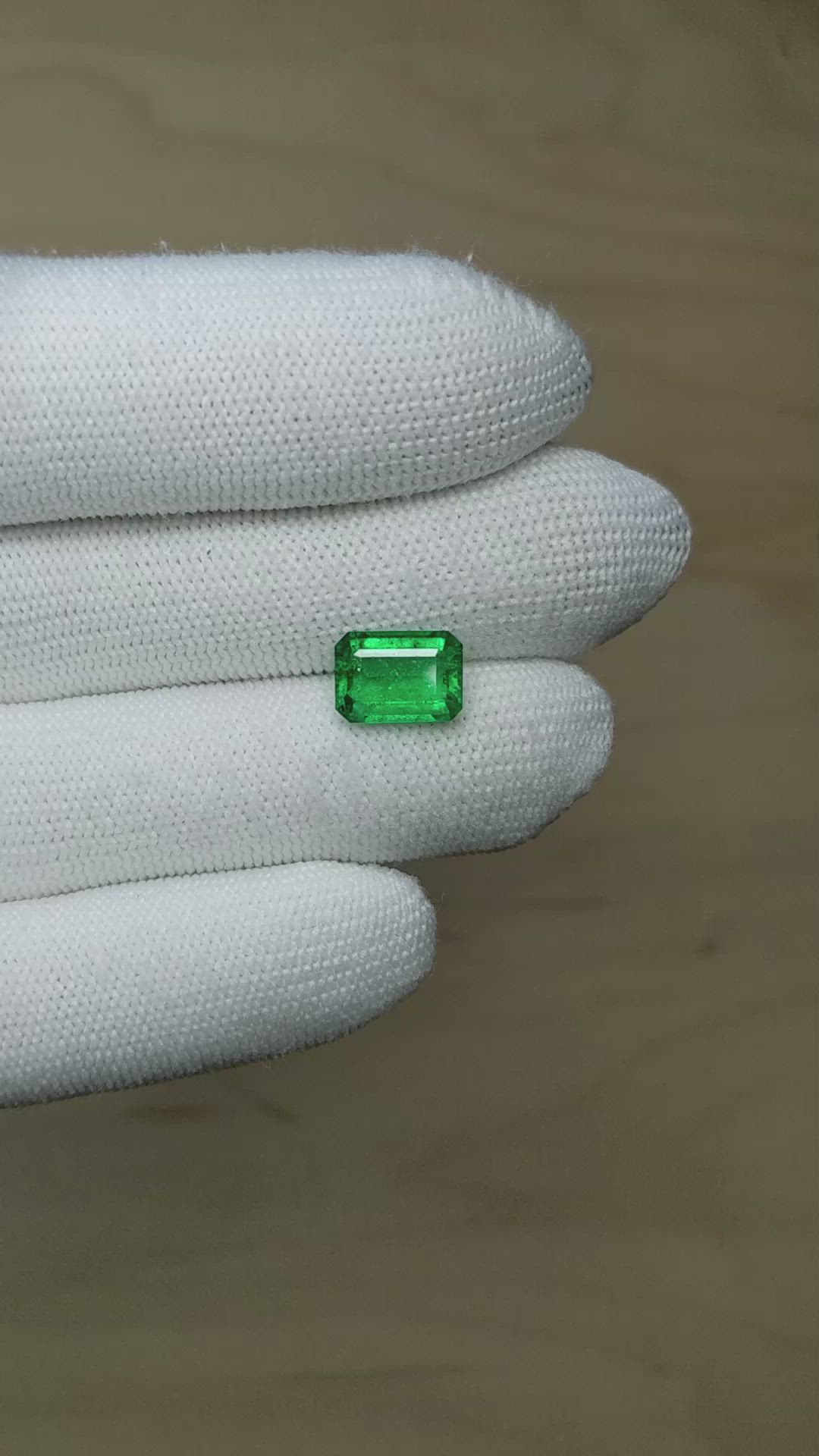
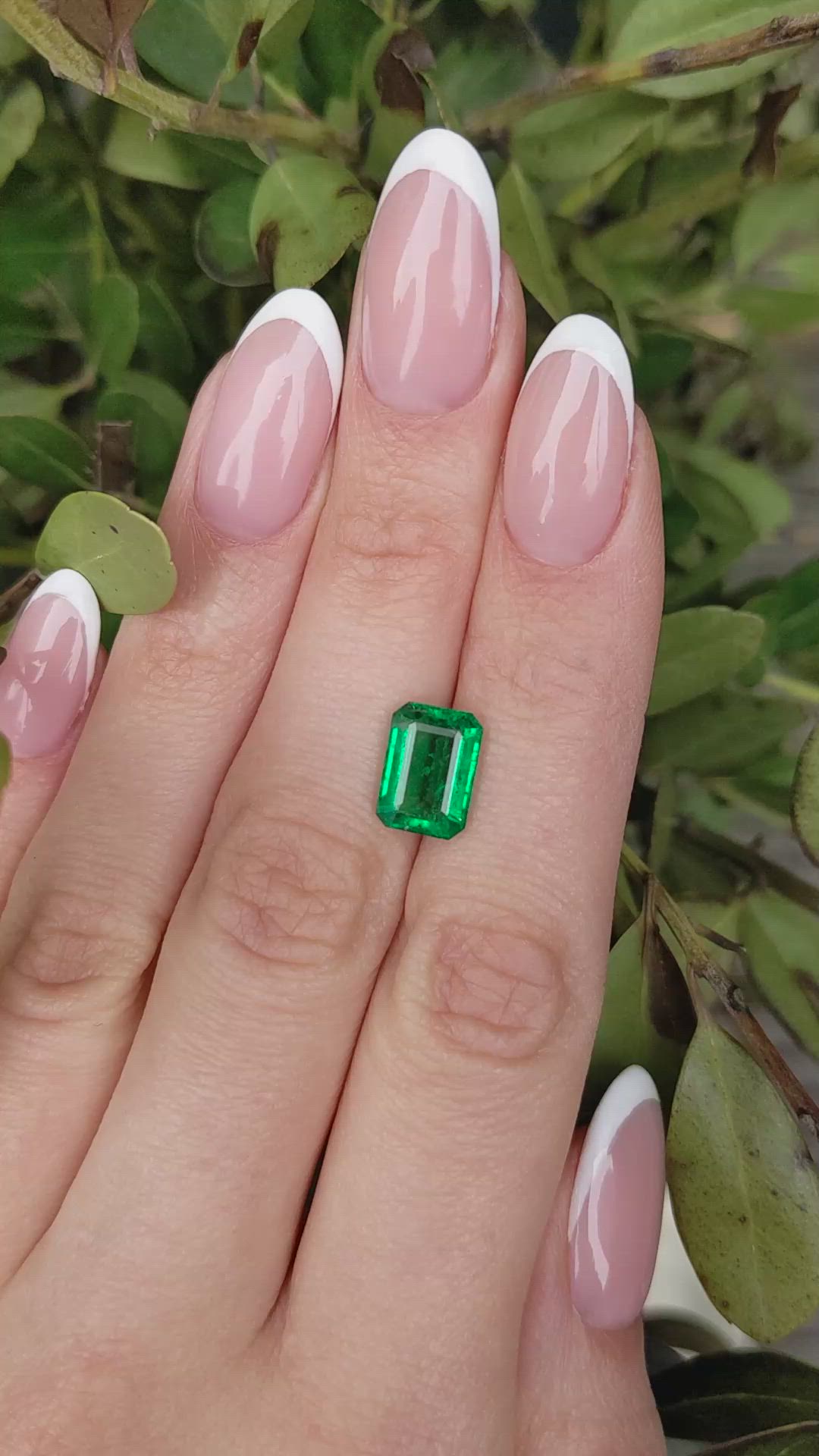
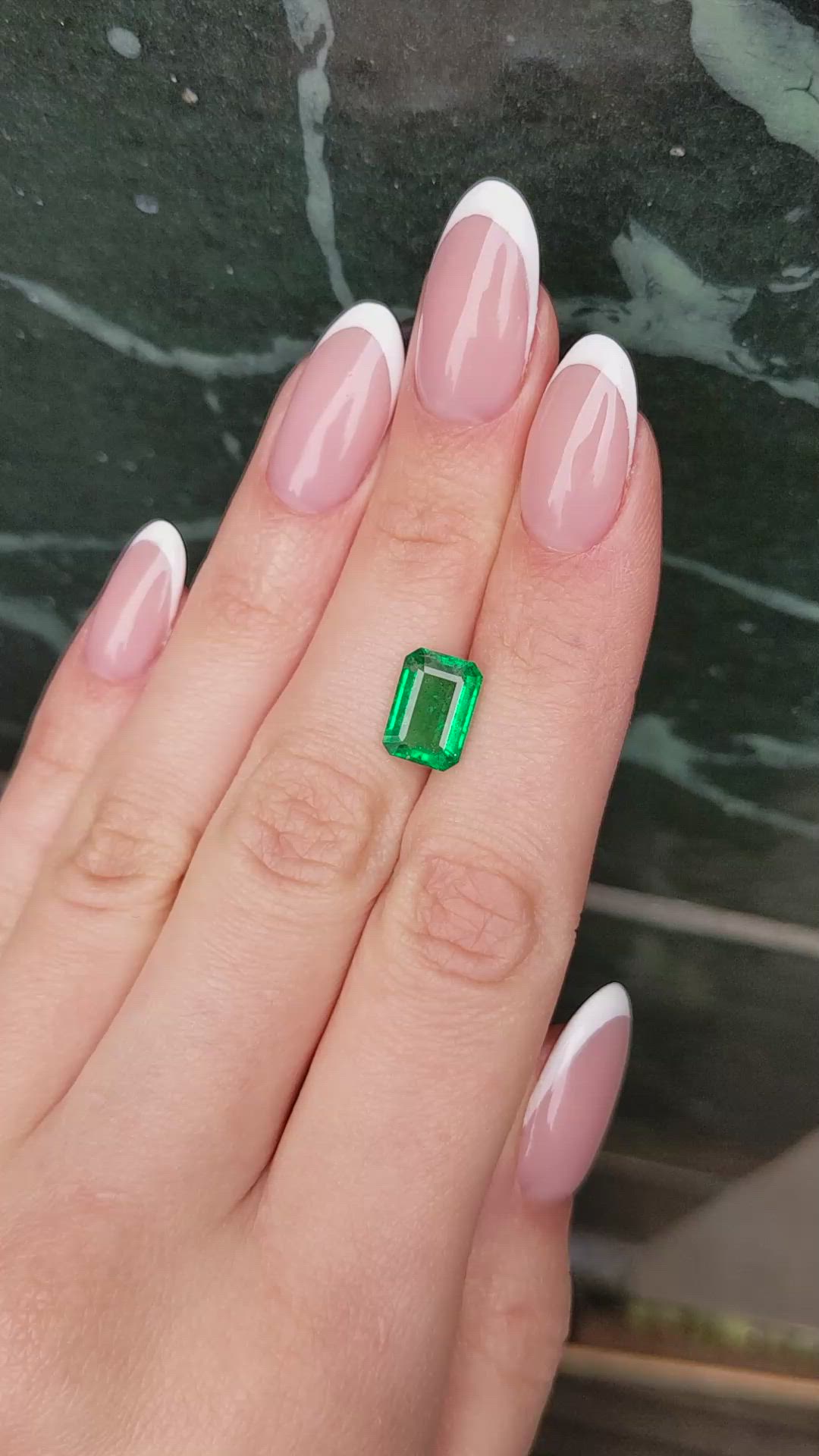


2.95 Ct. Emerald from Zambia
This loose stone ships by May 19
Item ID: | E8891 |
|---|---|
Dimensions (MM): help | Length: 10.73 Width: 7.67 Height: 4.47 |
Weight: | 2.95 Ct. |
Color: help | Green |
Color intensity: help | Intense |
Clarity: help | Slightly Included |
Shape: help | Emerald Cut |
Cut: | Emerald Cut |
Cutting style: | Faceted |
Enhancements: help | Standard |
Origin: help | Zambia |
Per carat price: help | $3,400 |
At The Natural Emerald Company we invite you to consider a piece that speaks to both history and the present, a transparent green emerald weighing 2.95 carat, cut in a classic emerald shape with dimensions of 10.73 x 7.67 x 4.47 mm, a gem that commands attention through its intense color intensity and its excellent polish. This stone carries a clarity grade of slightly included evaluated at eye level, a characteristic that tells a geological story rather than a flaw, and it has received standard enhancement, a customary and fully disclosed treatment that preserves and reveals the gem s natural beauty. Originating from Zambia, this emerald embodies the deep, bluish green tones that collectors and connoisseurs have prized for generations. The emerald cut emphasizes the stone s luminous color planes, offering steady flashes of green with every turn, while the precise proportions and superior polish allow the surface to reflect light with a mirror like calmness, an effect that complements fast moving facets in other gem shapes without overwhelming the eye.
Emeralds are among the oldest gemstones known to humanity, prized by civilizations from the pharaohs of Egypt to the royalty of Europe, treasured for their association with renewal and wisdom. To hold a natural emerald is to hold a fragment of the earth s distant past, a crystal that formed slowly under pressure and time, carrying within it the memory of ancient geological processes. The emerald cut itself is a design of enduring elegance, a step cut geometry that has served as a favorite of classic jewelers for more than a century, chosen for its ability to display color and clarity with a quiet dignity. When set in a traditional bezel or a finely crafted four prong setting, a stone of these dimensions and color intensity will sit like a miniature green window, inviting the onlooker to peer into depths that no laboratory could recreate by mere specification. The slight inclusions seen at eye level are the signature of authenticity, the jardin, or garden, that has been admired by gem scholars and artists alike as proof of natural origin and a source of unique character.
When compared to lab grown gemstones, natural emeralds such as this Zambian example offer advantages that extend beyond chemical composition, advantages rooted in provenance, rarity, and value retention. Lab grown emeralds can possess excellent clarity and predictable color, they can be made quickly and in quantity, and they serve a purpose for those seeking affordability and consistency. Natural emeralds, by contrast, are one of a kind in every meaningful way, each crystal born of a unique set of environmental conditions and carrying inclusions that map that origin like a fingerprint. These internal features are not blemishes but rather the proof of a natural journey, an evidence of time and place that connects the wearer to mountain veins and ancient waters. From a financial perspective, high quality natural emeralds have a long history of retaining and appreciating value in ways that most man made gems do not, because their scarcity and their storied origins create market demand that is tied to natural provenance. Ethically, purchasers who choose natural stones from reputable sources such as The Natural Emerald Company can insist upon transparent sourcing practices and documented origins, allowing an informed and responsible purchase that honors both the environment and the communities connected to the mines.
Beyond economics and story, there is the aesthetic complexity of a natural emerald that lab grown counterparts rarely achieve. The intense color intensity of this 2.95 carat Zambian emerald is not a uniform green, it is a living palette of bluish and leafy green undertones that change subtly with light, a depth that results from trace elements and microscopic formations unique to its geological cradle. The emerald cut with its broad facets reveals this depth in a regulated manner, the excellent polish ensuring that each plane delivers clarity of color, while the slightly included clarity grade allows the stone to remain lively and authentic. Standard enhancement treatments used on emeralds are designed to improve stability and appearance while preserving the core character of the stone, and in the hands of experienced cutters and setters these treatments make possible the presentation of a natural gem that exudes both brilliance and integrity. At The Natural Emerald Company we take care to communicate these details clearly, because we know that a purchase of this nature is not merely a transaction, it is the selection of an heirloom that will be worn and cherished, perhaps passed down through generations as a link to family history and to the enduring allure of the natural world.
Selecting this emerald is to choose a jewel that will stand as a testament to timeless taste, a gem whose dimensions of 10.73 x 7.67 x 4.47 mm and 2.95 carat weight are ideally suited to a refined ring or a striking pendant. Its emerald cut and excellent polish suit classic settings that emphasize line and light, and its slightly included clarity evaluated at eye level will allow the stone to breathe with personality and authenticity. We at The Natural Emerald Company are committed to helping you imagine and realize that setting, to advise on mounting styles that protect the stone while showcasing its intense color, and to provide documentation regarding origin and enhancement so that your ownership is informed and secure. For those who value legacy over novelty, who care deeply about the story behind a gem and the restraint of designs that endure, this Zambian emerald offers a rare opportunity, a natural treasure that connects past and present, craftsmanship and earth, beauty and history.


