
- Stone12
- Reports3
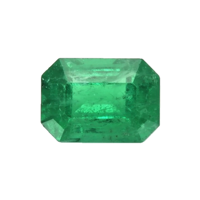
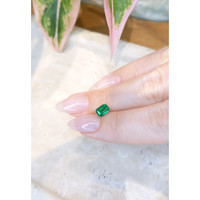
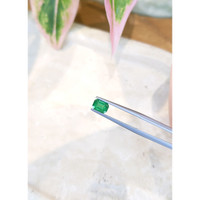

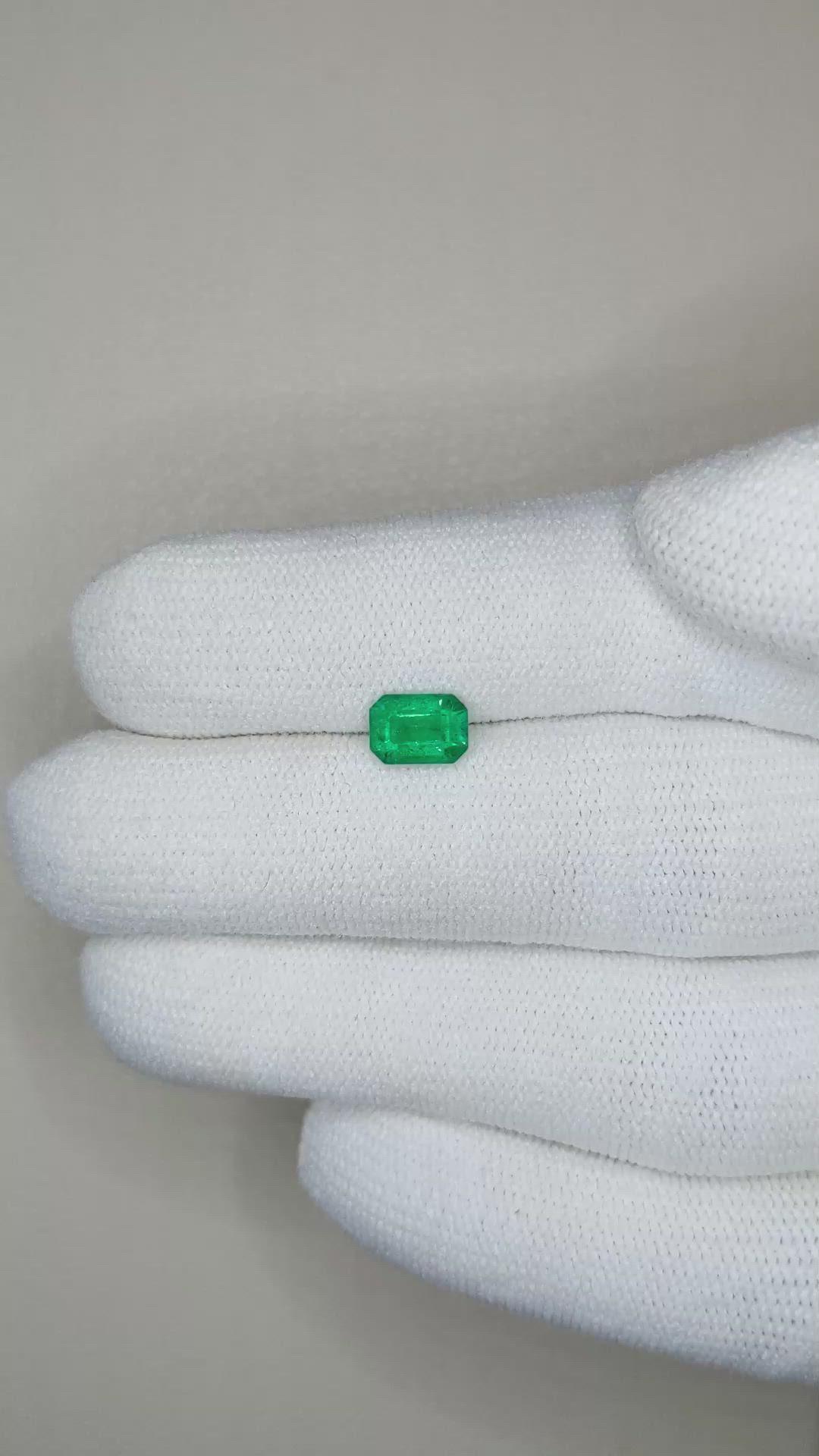

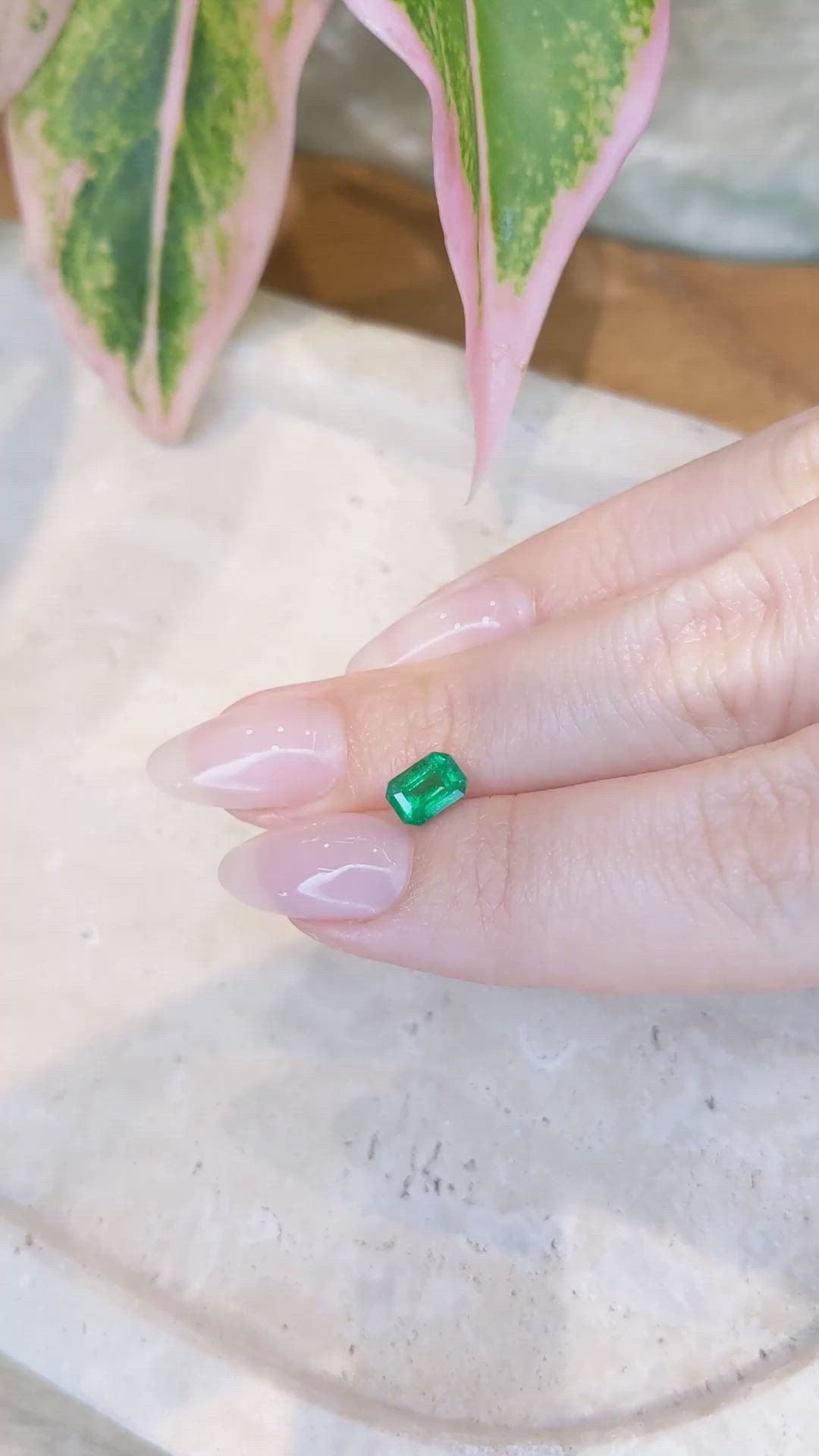

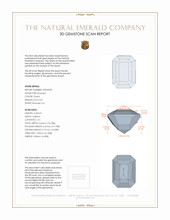
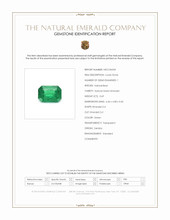
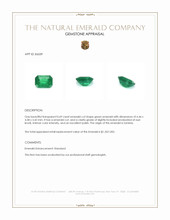
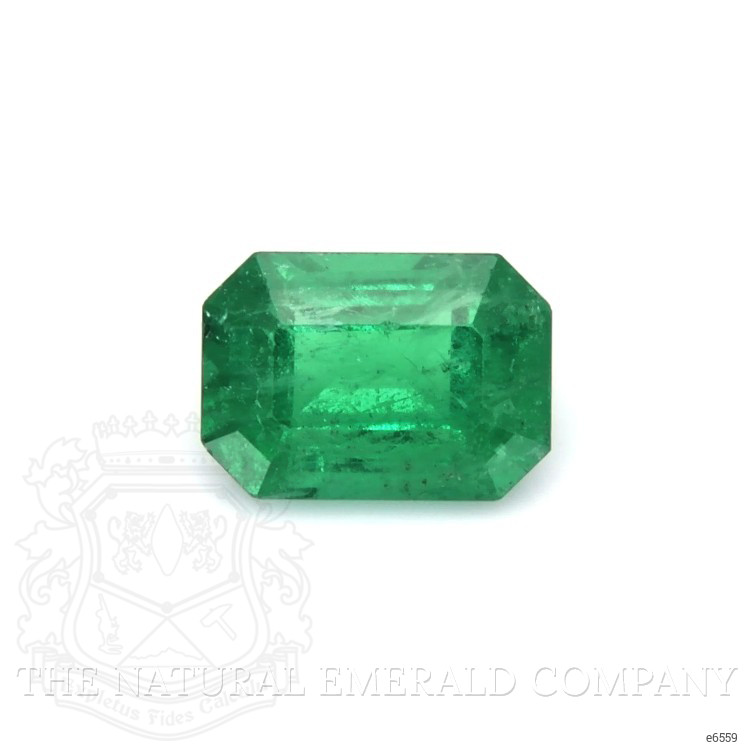
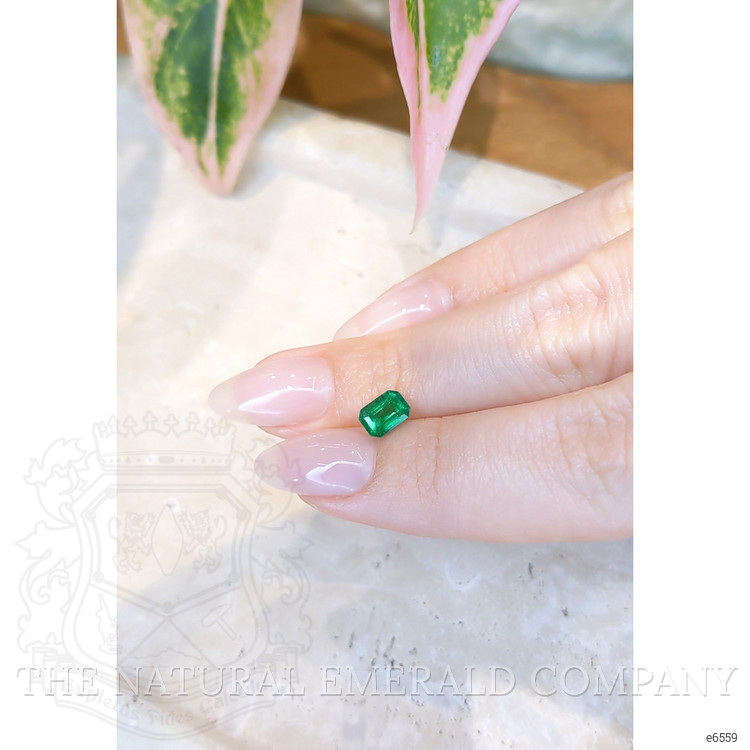
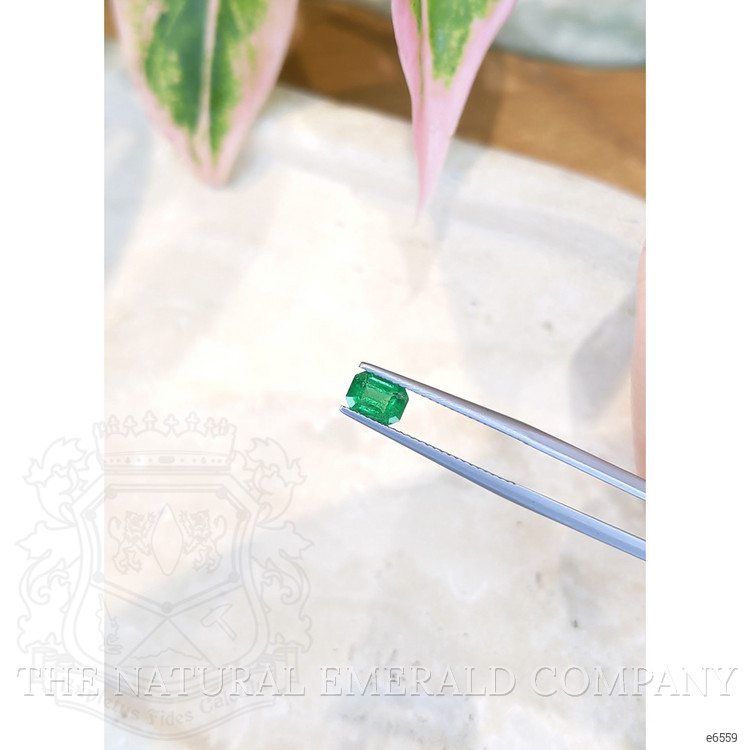



0.69 Ct. Emerald from Zambia
This loose stone is available to ship now
Item ID: | E6559 |
|---|---|
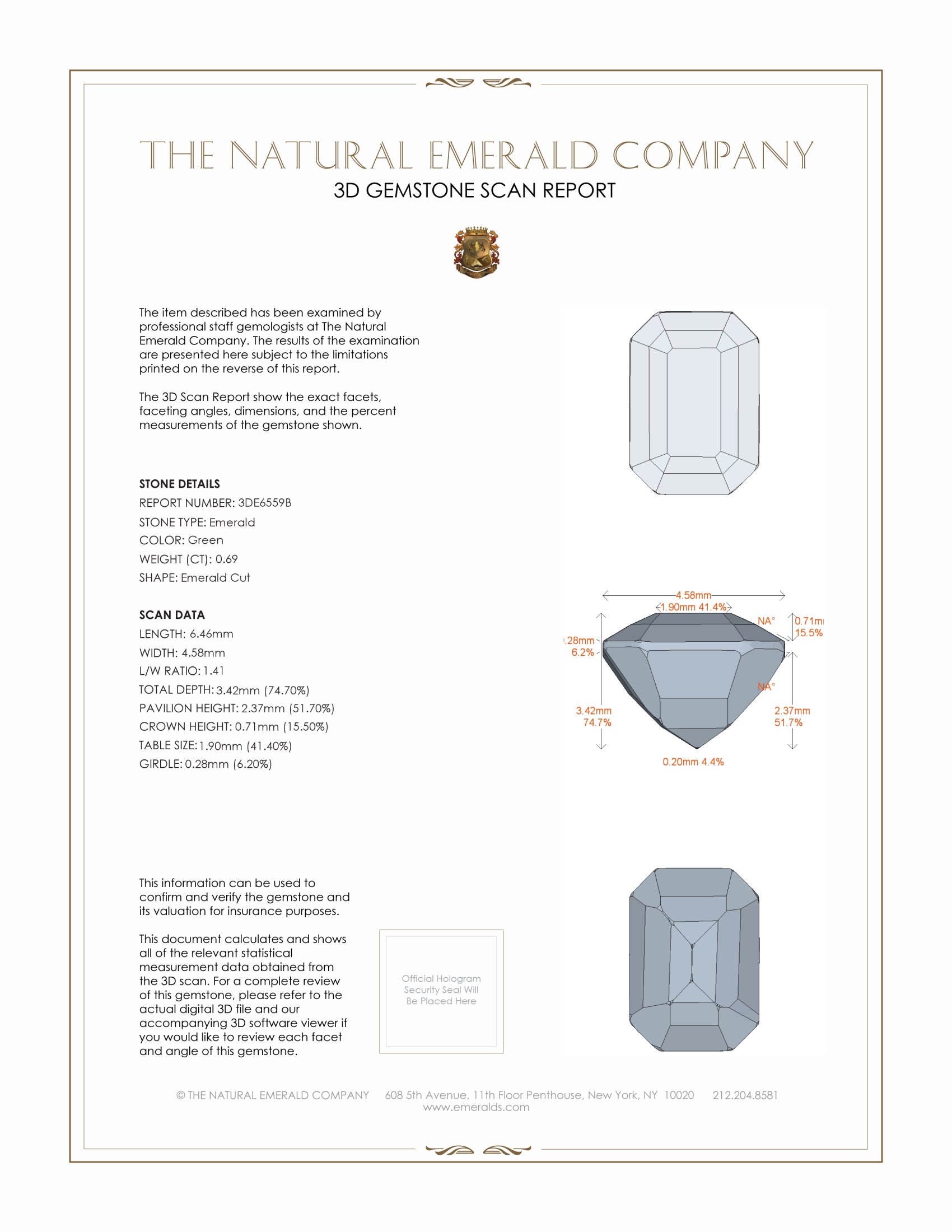
Dimensions (MM): help | Length: 6.46 Width: 4.58 Height: 3.42 |
Weight: | 0.69 Ct. |
Color: help | Green |
Color intensity: help | Intense |
Clarity: help | Slightly Included |
Shape: help | Emerald Cut |
Cut: | Emerald Cut |
Cutting style: | Faceted |
Enhancements: help | Standard |
Origin: help | Zambia |
Per carat price: help | $1,959 |
This Zambian gem presented by The Natural Emerald Company is a transparent 0.69 carat emerald cut emerald, with precise proportions of 6.46 by 4.58 by 3.42 mm, intense color intensity, and an excellent polish. The classic emerald cut has been chosen to maximize the perceived depth of color while protecting the crystal from unnecessary stress during wear, and the pavilion and step facets have been executed to balance light return with the retention of the stone core. The clarity grade is slightly included when evaluated at eye level, which is typical for natural emeralds and in many cases preferred by connoisseurs because it confirms natural formation and origin. Enhancement is standard, the industry terminology that most commonly denotes treatment with colorless oils or resins to reduce the visual impact of surface reaching fissures and to improve transparency. The result is a gem that reads as transparent to the unaided eye, with inclusions that add character but do not detract from the gemological integrity or the overall viewing experience, and an excellent polish that gives crisp facet junctions and lively surface reflection.
Imagine this emerald forming deep in the earths crust millions of years ago, in a dynamic geological setting where beryllium rich fluids migrated through brittle fractures in host rocks. In Zambia the primary emerald deposits are typically associated with metamorphic terranes, where fluids derived from hydrothermal systems or metamorphic devolatilization encountered chromium and vanadium bearing ultramafic or metasedimentary rocks. Those trace elements are the chromophores that impart the vivid green that we now admire. Under high pressures and elevated temperatures, beryl crystals grew slowly, layer by layer, in narrow veins and pockets, occasionally entrapping mineral inclusions, healed fissures, and microscopic growth structures that are now the hallmark inclusions of a natural emerald. Over successive geological cycles, tectonic uplift and erosion exposed these mineralized zones, and the crystal that would become this 0.69 carat emerald was liberated and ultimately recovered by modern mining operations in Zambia. The pattern of inclusions inside the stone is a fingerprint of that geologic journey, offering the informed buyer a window into the natural processes that created this gem, and a scientific basis for appreciating its authenticity and provenance.
For the educated buyer, value derives from an informed synthesis of weight, dimensions, cut, color intensity, clarity, polish, treatment history, and origin, and this emerald performs strongly across that full spectrum. The intense green color seen in this gem is characteristic of Zambian material influenced by chromium and vanadium, and when combined with a transparent body and an emerald cut that emphasizes color over brilliance, the stone is especially suited to jewelry designs that highlight hue and saturation, such as solitaire rings and classic three stone settings. Slightly included clarity evaluated at eye level indicates natural formation and contributes to collectability, while standard enhancement is transparent in disclosure and widely accepted within the trade when properly documented. From an investment and connoisseurship standpoint, Zambian emeralds are increasingly sought after because they offer deep color at sizes and price points that can be competitive with other sources, and when a stone such as this has been well cut and well finished, it carries both aesthetic appeal and enduring market desirability. The Natural Emerald Company certifies provenance and treatment details for this gem, and our gemological team will provide guidance on mounting options, care recommendations, and independent laboratory reporting to support confident acquisition. For daily wear, gentle care is advised, avoiding ultrasonic cleaners and aggressive chemicals, and occasional reapplication of a compatible oil can be performed by a qualified jeweler to maintain the stone appearance, preserving the natural beauty that began forming millions of years ago and that now can be part of a curated collection.


