
- Stone13
- Reports3
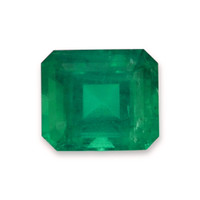
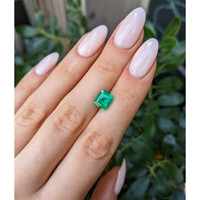
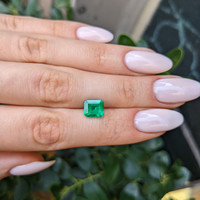
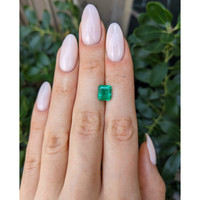
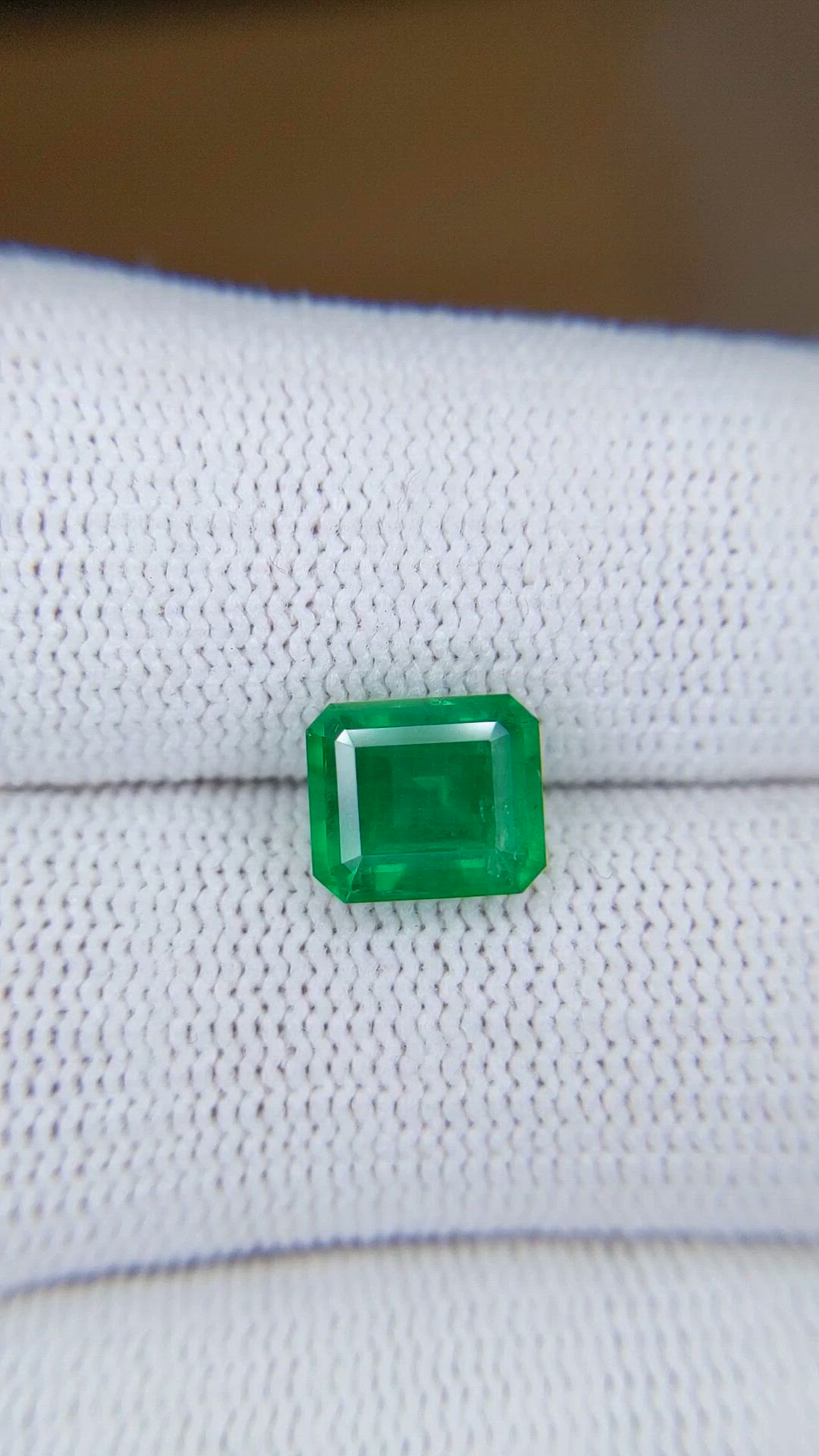
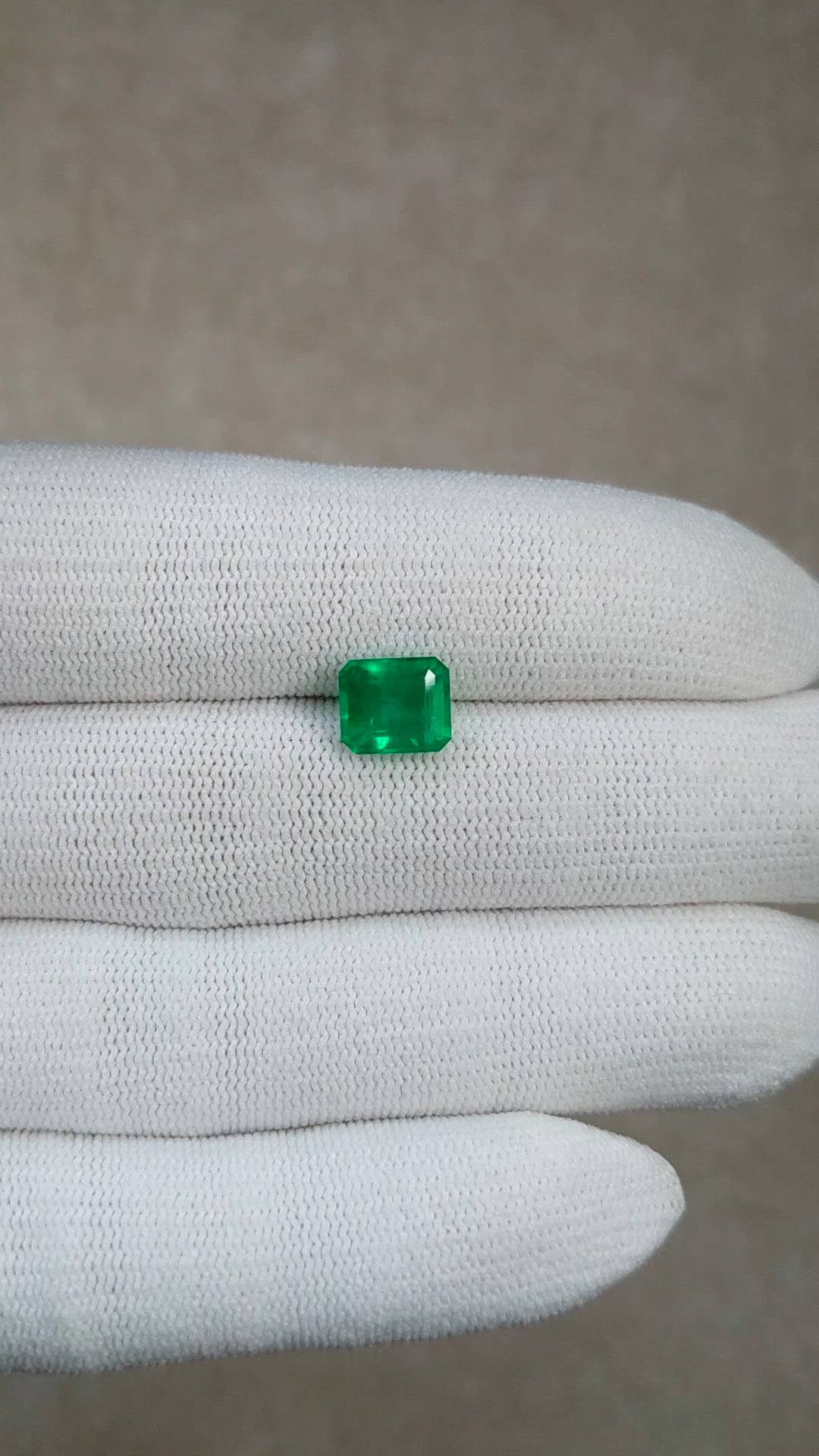
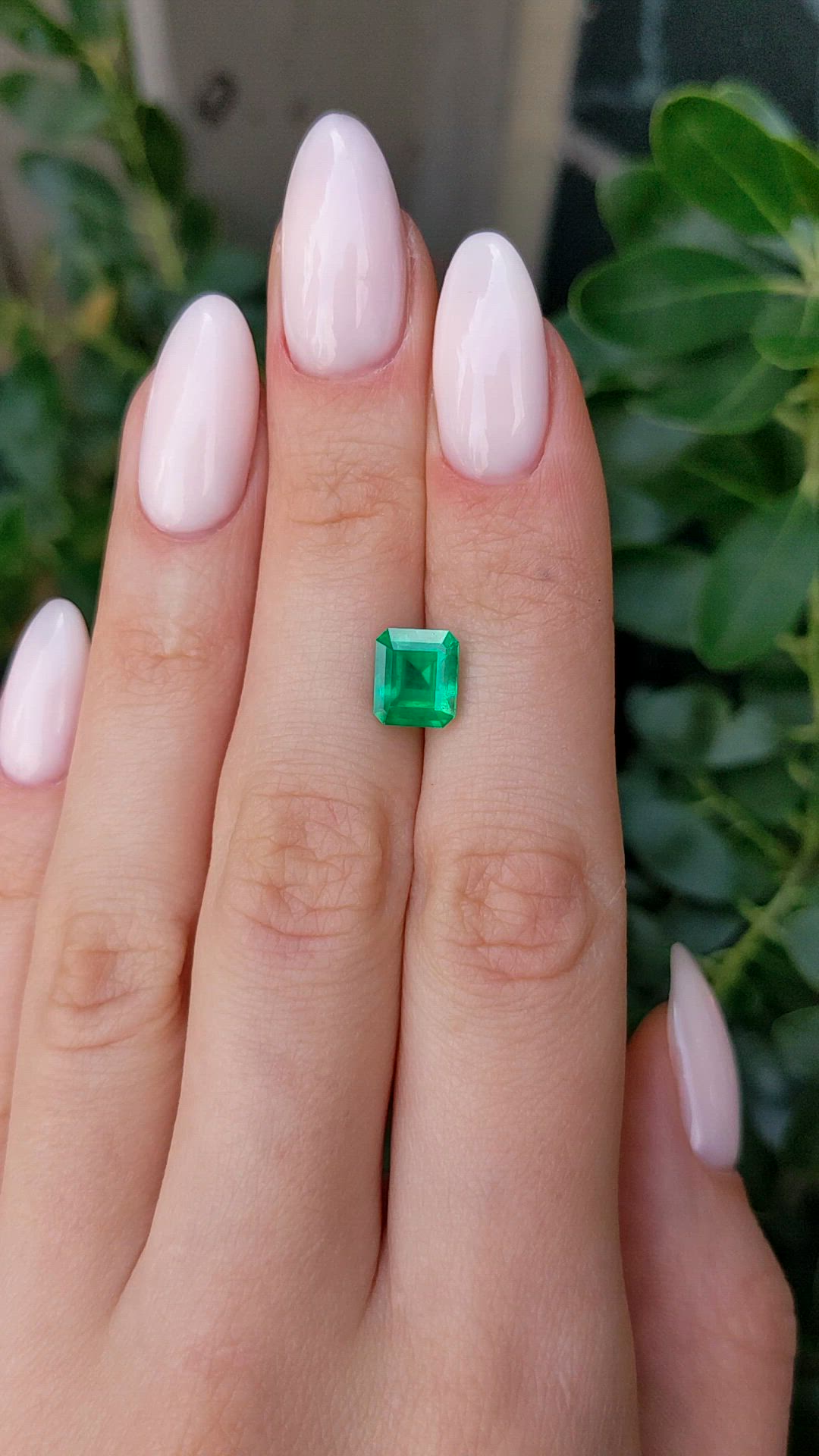
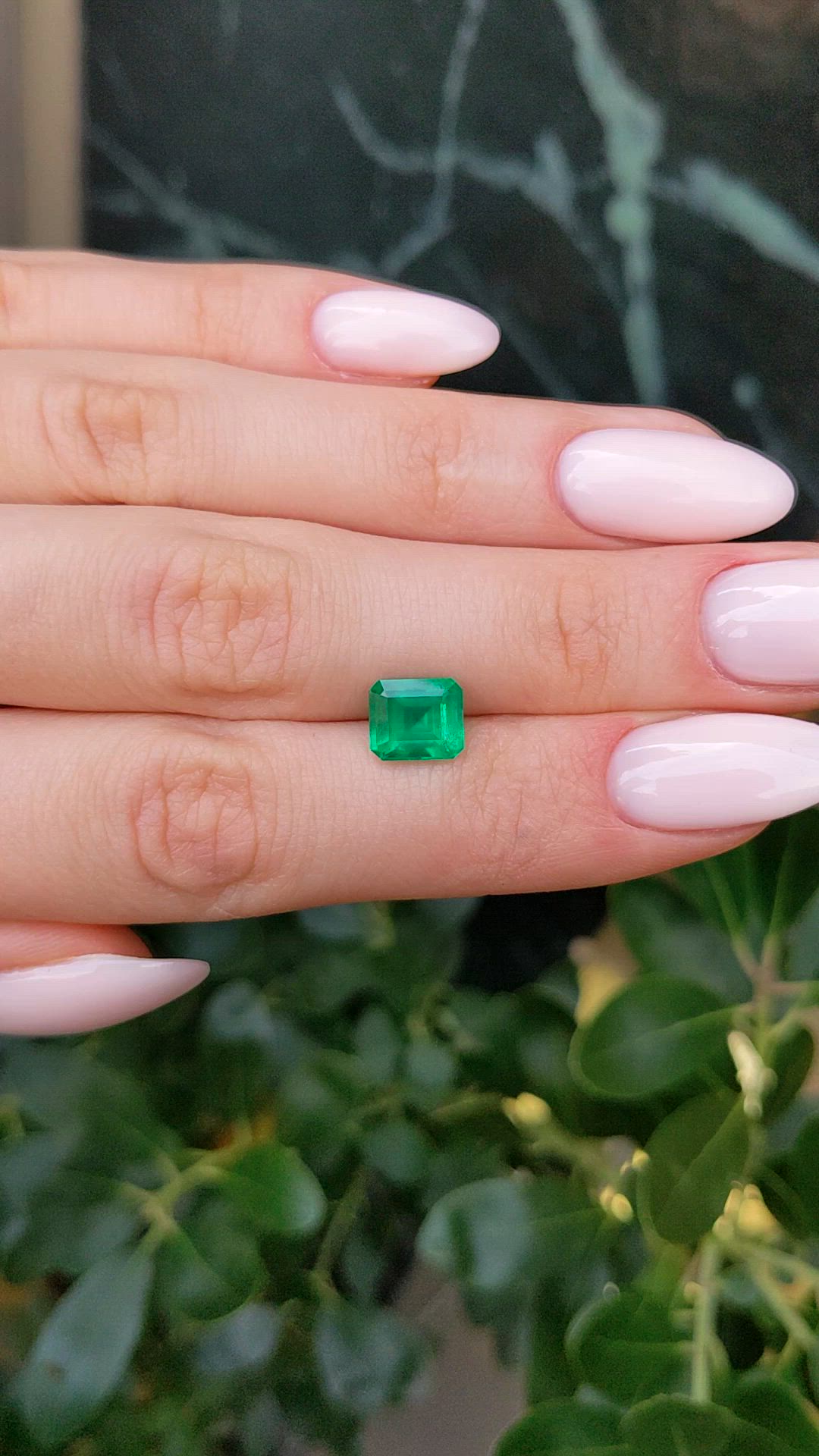


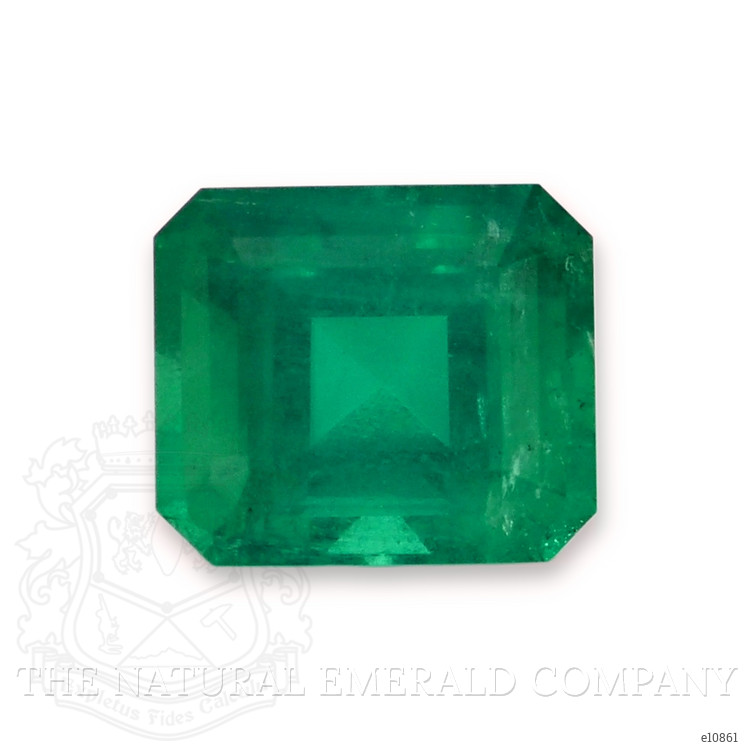
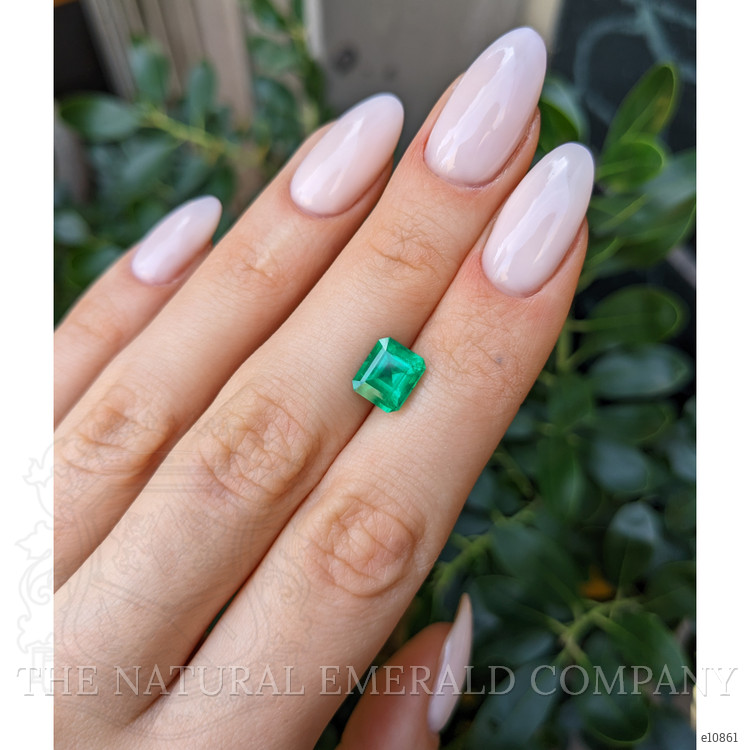
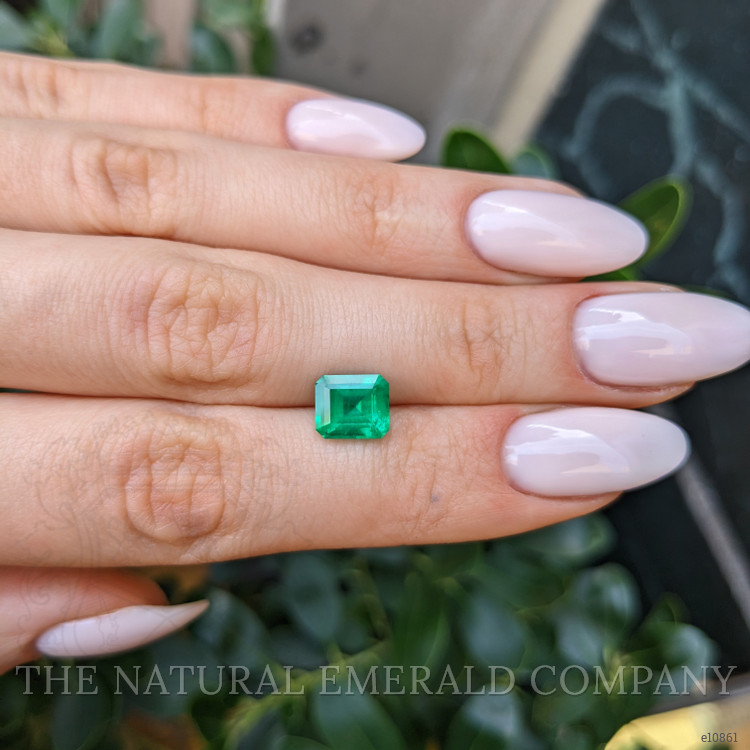
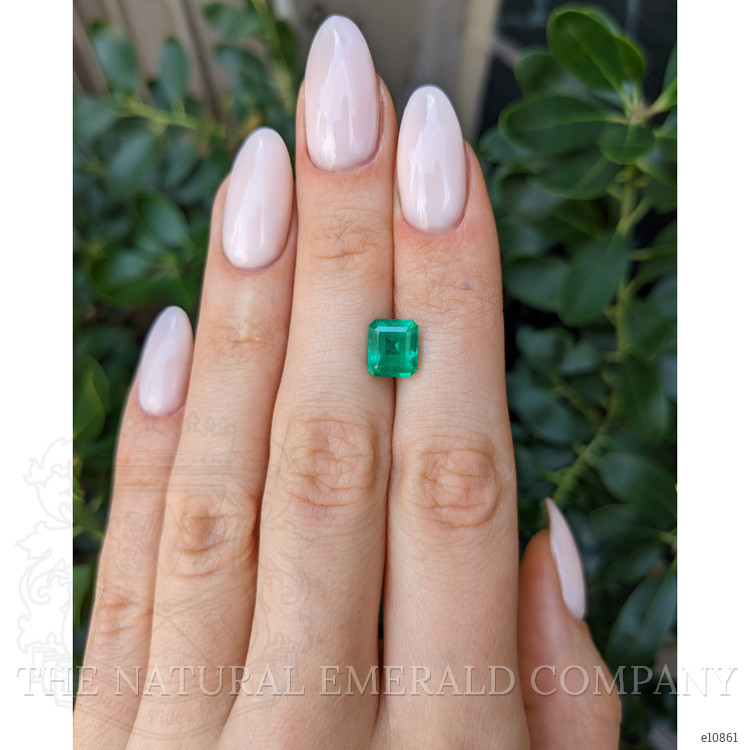


2.18 Ct. Emerald from Brazil
This loose stone is available to ship now
Item ID: | E10861 |
|---|---|
Dimensions (MM): help | Length: 8.2 Width: 7.04 Height: 5.55 |
Weight: | 2.18 Ct. |
Color: help | Green |
Color intensity: help | Intense |
Clarity: help | Very Slightly Included |
Shape: help | Emerald Cut |
Cut: | Emerald Cut |
Cutting style: | Faceted |
Enhancements: help | Standard |
Origin: help | Brazil |
Per carat price: help | $2,590 |
This 2.18 carat faceted emerald cut emerald from The Natural Emerald Company presents precise proportions and a controlled optical performance, measured at 8.20 x 7.04 x 5.55 mm. The cutter achieved a depth to average diameter ratio of approximately 73 percent, a choice that balances light return with retention of carat weight, while preserving the stone's intense color saturation. The emerald cut exhibits classic step facets across the crown and pavilion, with a broad table and truncated corners that reduce the risk of chipping during setting and wear. Facet junctions display crisp geometry and excellent symmetry, and the polish has been executed to an excellent standard producing clean facet reflections and a satiny girdle finish. Clarity is graded as very slightly included evaluated at eye level, indicating minor internal characteristics that are positioned and oriented so as not to interrupt the overall transparency or the stones ability to convey its vivid green. The piece has received standard industry enhancement, applied judiciously to improve apparent clarity while maintaining durability and natural appearance.
The color of this emerald reads as intensely saturated green, with a medium to medium deep tone that remains lively under both natural and controlled lighting conditions. The hue is predominantly pure green, with subtle secondary blue components consistent with high quality Brazilian material, and the uniform distribution of the color across both the crown and pavilion facets is a testament to careful preforming and selective orientation during cutting. The emerald cut was selected to emphasize the gems color rather than to maximize scintillation, creating a rectangular hall of step facets that produces broad flashes and a depth of color that appears to glow from within. From a gemological perspective the green originates from trace amounts of chromium and vanadium within a beryllium aluminum silicate matrix, and the balance of trace iron contributes to the stones tone without overpowering its chroma. The visual result is an intense green that remains attractive when viewed at multiple angles, making this stone well suited for designs where color dominance is the primary objective.
The narrative of formation for this Brazilian emerald begins hundreds of millions of years ago during the convergent tectonic events that reworked the crust and generated the pressure temperature conditions necessary for beryllium bearing fluids to mobilize. Deep beneath what is now the Brazilian terrain, granitic intrusions and metamorphic pulses generated hydrothermal systems, and beryllium rich fluids percolated through fractures in host rocks such as schists and carbonates. Where these fluids encountered chromium and vanadium bearing lithologies, nucleation of emerald crystals occurred within open vugs and fissures. Slow crystal growth under stable conditions produced gem quality crystal lattices with high transparency and well formed prismatic habit, while intermittent influxes of mineralizing solutions produced internal characteristics typical of natural emeralds. Over geological time uplift and erosion exposed these veins to the surface, where careful extraction preserved larger, cleaner crystals. The subsequent lapidary process was executed with a conservation minded approach, orienting the rough to maximize color and minimize the visibility of internal features, employing step faceting to enhance color depth and to create a balance between brilliance and the broad, serene flashes that emerald cuts are known for. This gem represents the convergence of geological history, precise lapidary technique, and quality control protocols upheld by The Natural Emerald Company, resulting in a transparent, intensely colored emerald that conveys both provenance and craftsmanship.


