

- Ring26
- Stone11
- Setting5
- Reports5



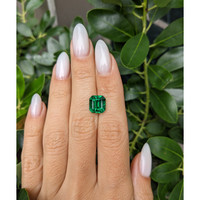
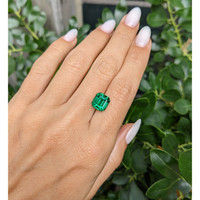
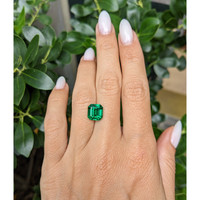


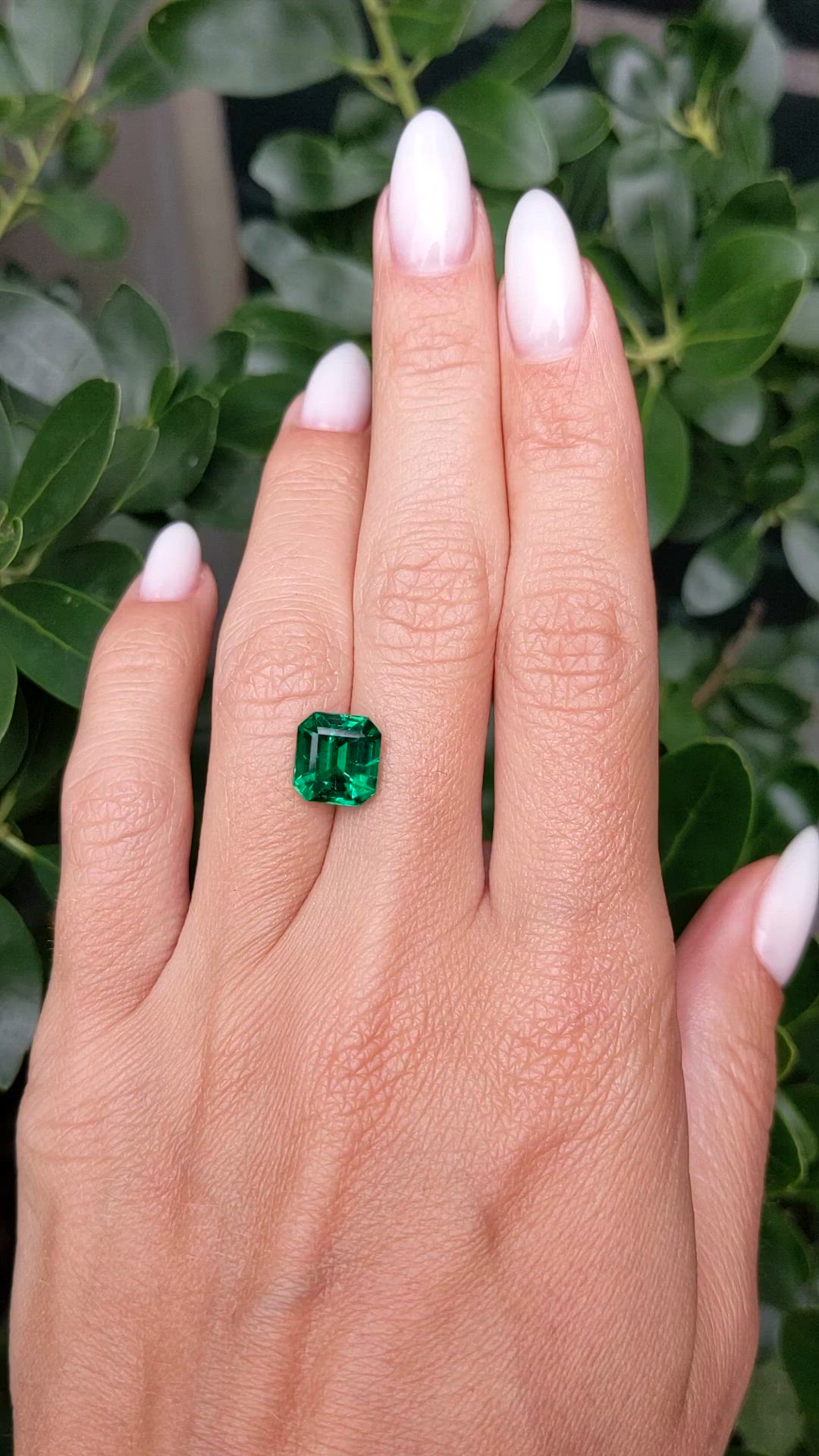
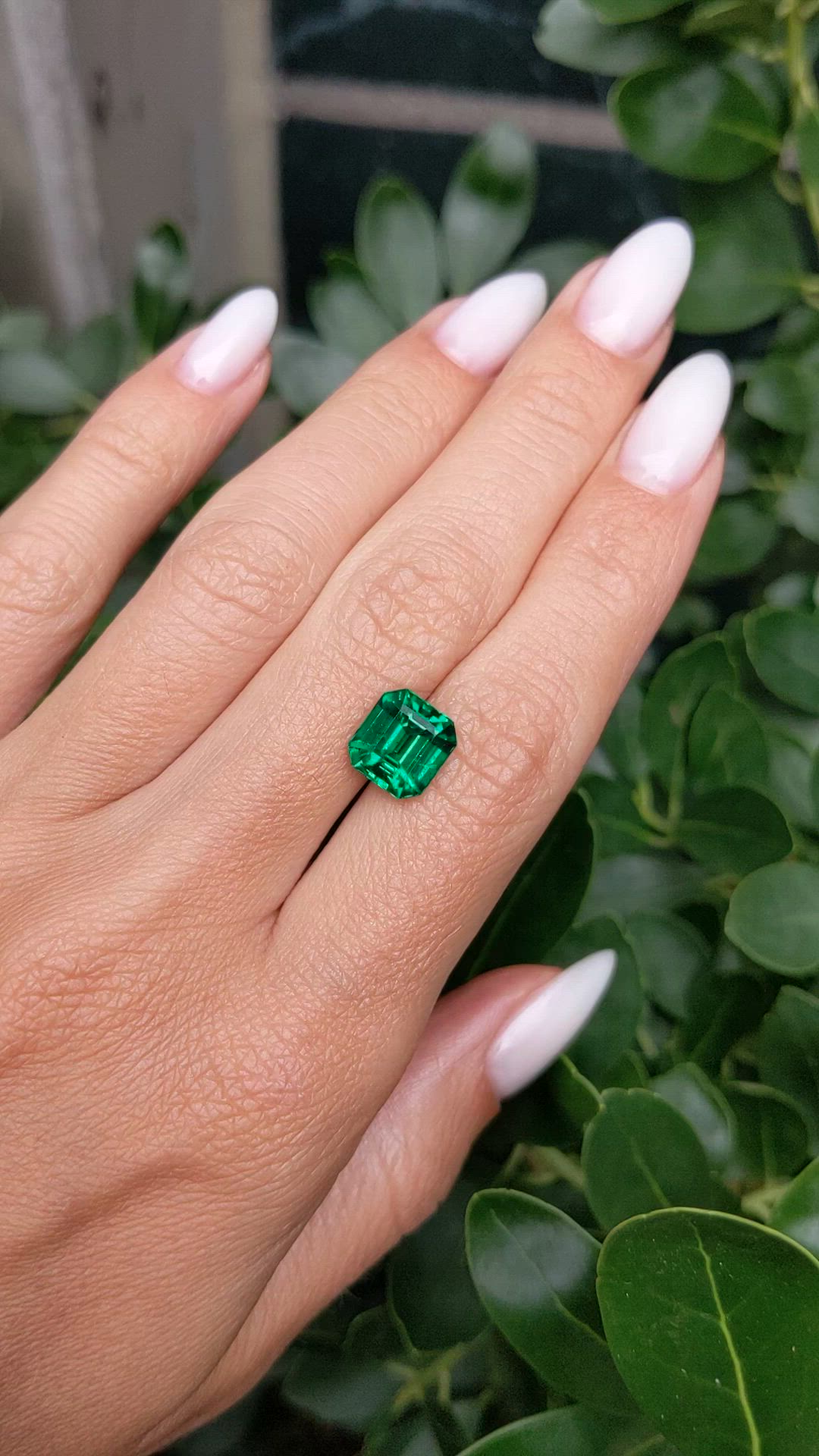
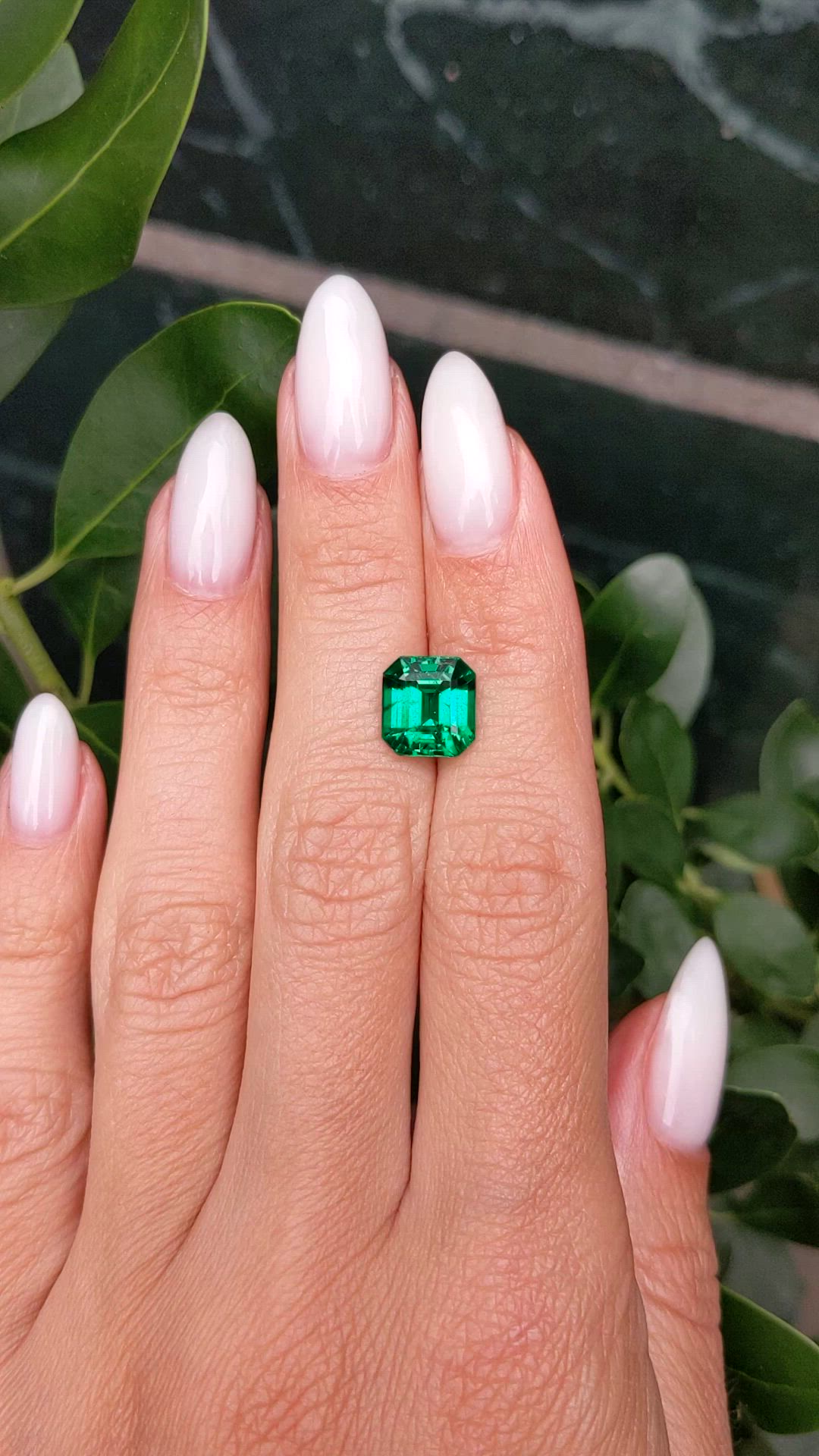

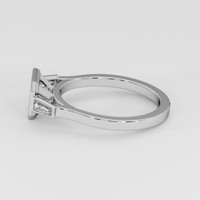
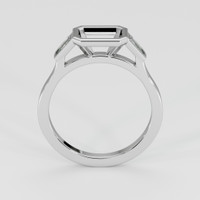




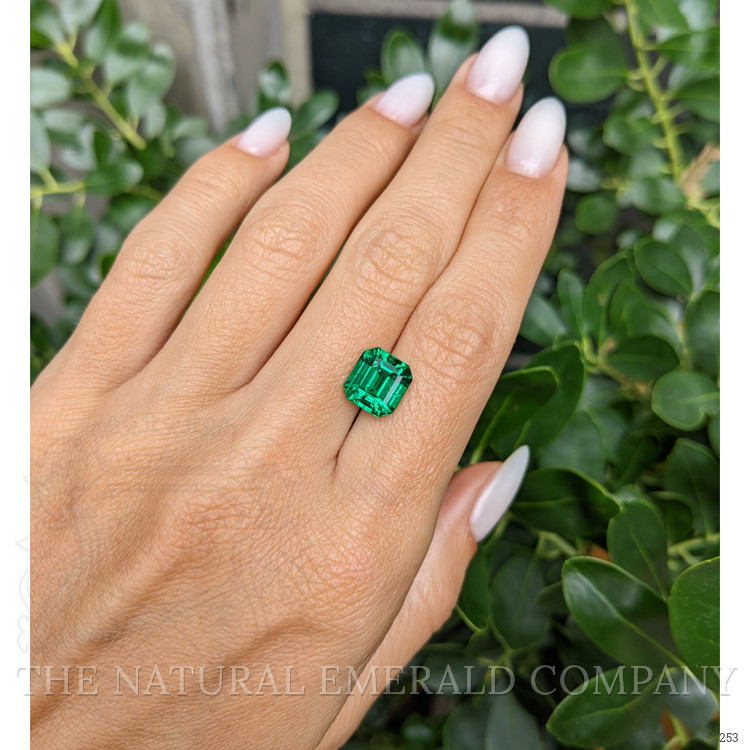
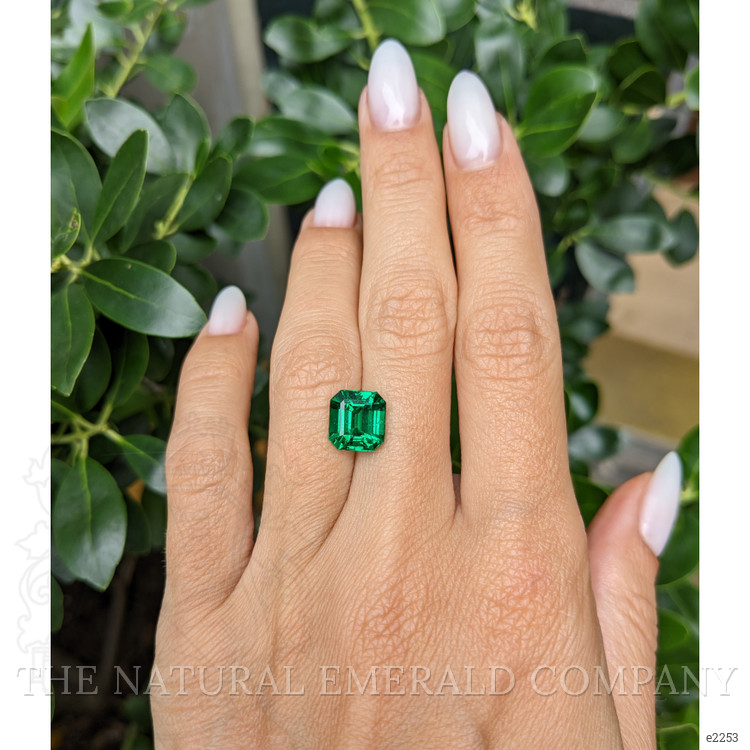

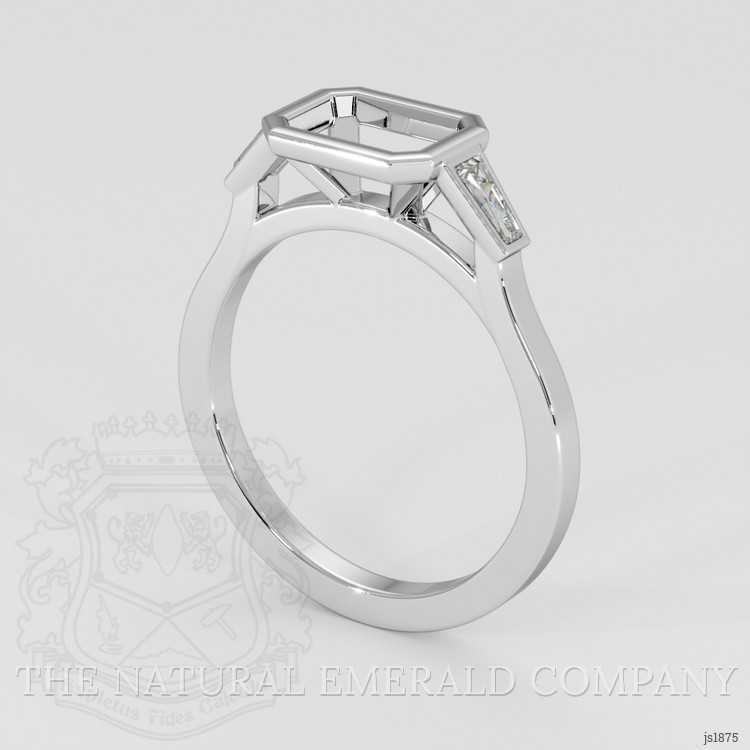
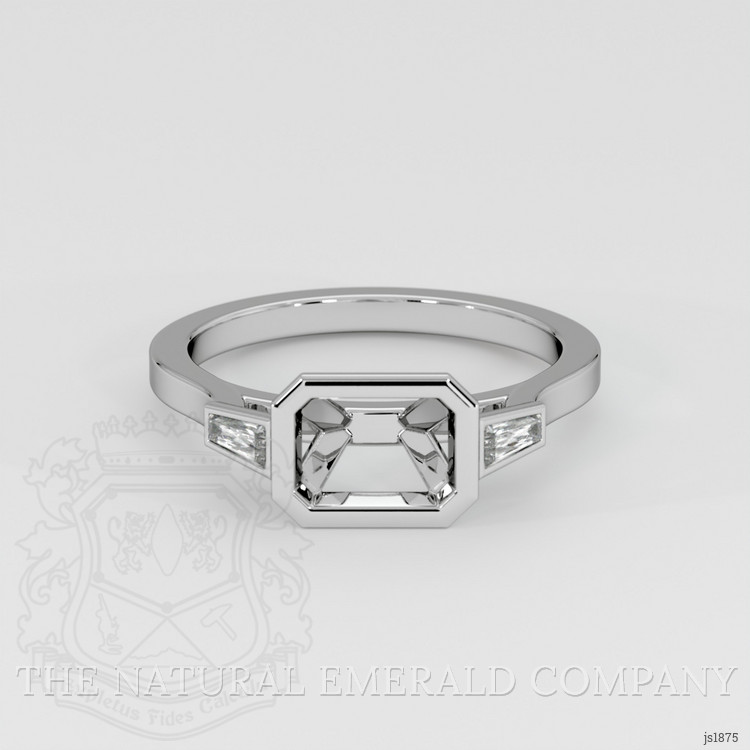
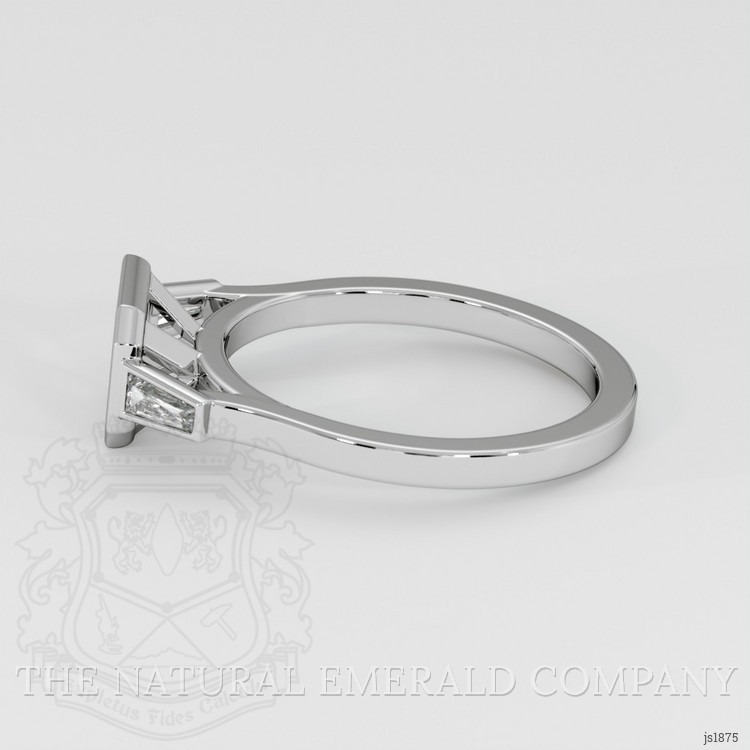
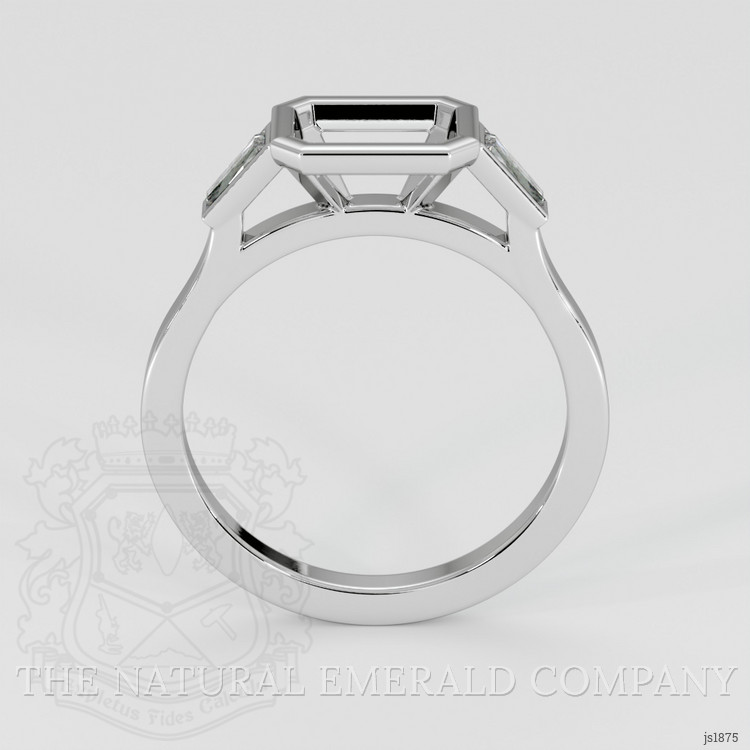



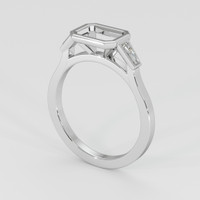
Three Stone Emerald Ring 2.94 Ct., 18K White Gold


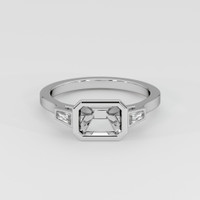
Wax Polymer Replica
Model of your Completed
Setting Design!

View 360° media
Item ID: | E2253 |
|---|---|
Dimensions (MM): help | Length: 9.02 Width: 8.45 Height: 5.76 |
Weight: | 2.94 Ct. |
Color: help | Green |
Color intensity: help | Vivid |
Clarity: help | Very Very Slightly Included |
Shape: help | Asscher - Octagon |
Cut: | Asscher Cut |
Cutting style: | Faceted |
Enhancements: help | Standard |
Origin: help | Zambia |
Per carat price: help | $9,900 |
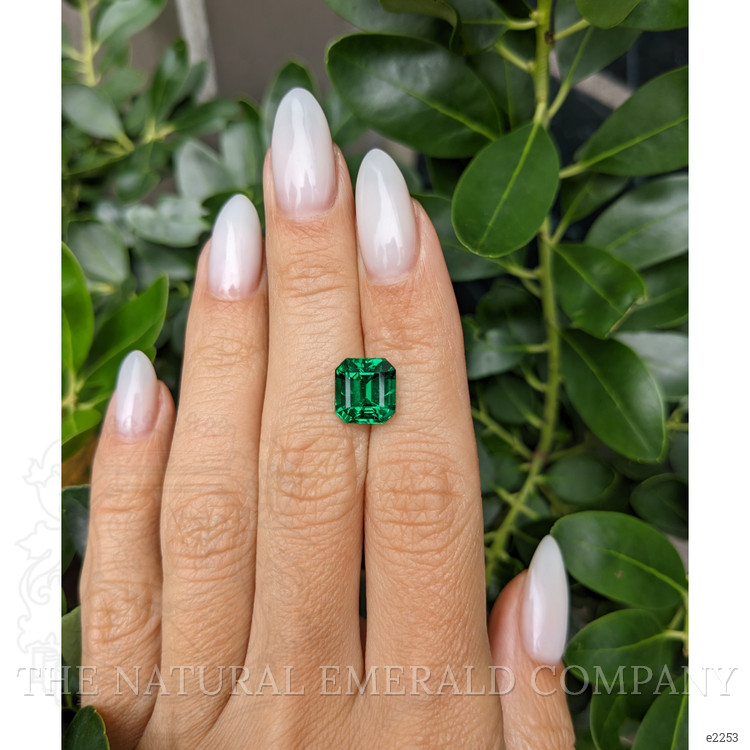
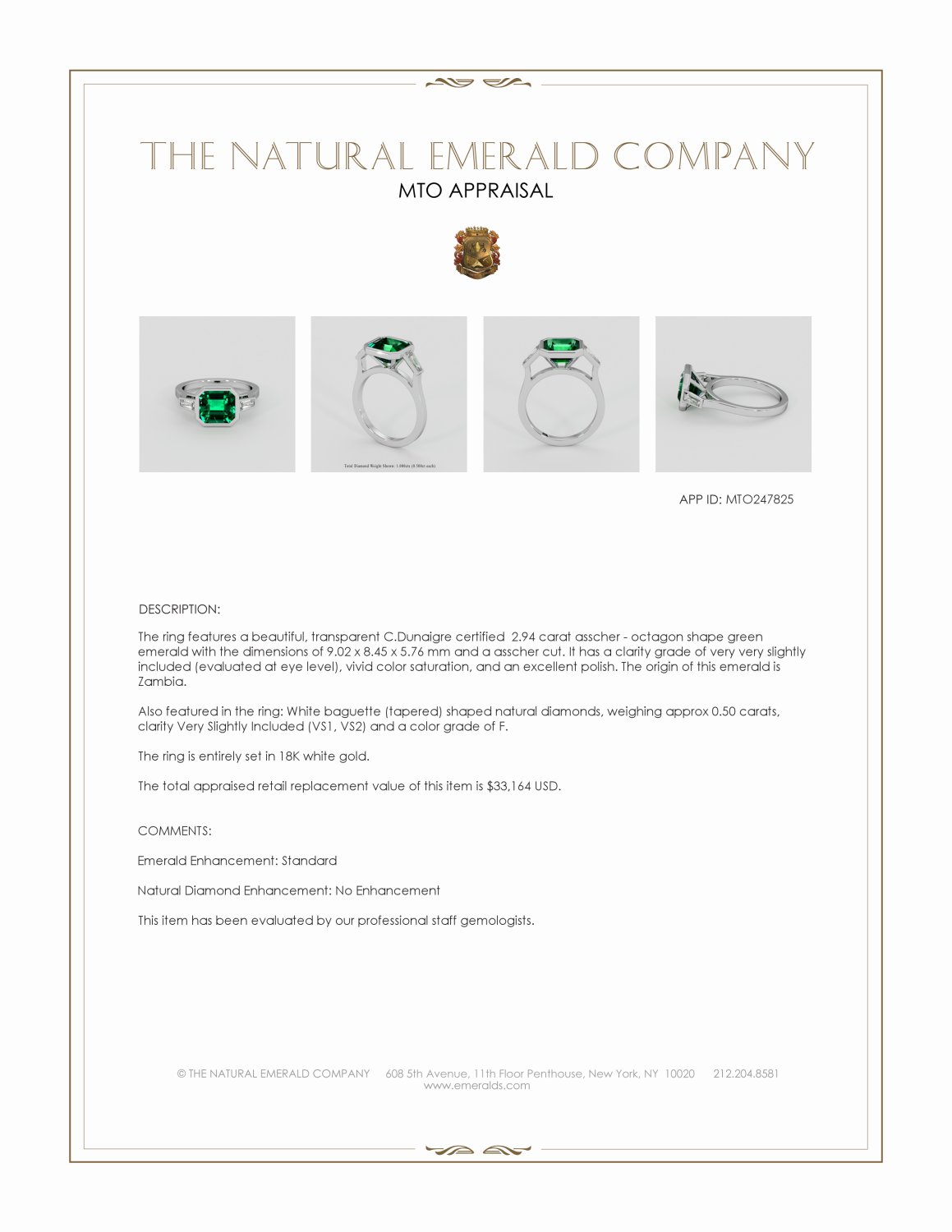
This ring from The Natural Emerald Company centers on a C.Dunaigre certified, 2.94 carat Asscher octagon green emerald, dimensions 9.02 x 8.45 x 5.76 mm, cut in a classic Asscher faceting style, clarity graded very very slightly included at eye level, with vivid color saturation and an excellent polish, origin Zambia. The setting is fully executed in platinum 950, providing a stable and durable mount, while two tapered white baguette natural diamonds totaling approximately 0.50 carats, clarity Very Slightly Included VS1 and VS2, and color grade F are set to complement the central stone and emphasize its table and step facets. The combination of the Asscher profile and the clean, geometric platinum gallery produces a restrained, architectural aesthetic that allows the emeralds internal depth of color to remain the visual focus.
When compared to lab grown emerald alternatives, this natural Zambian emerald presents several distinguishing attributes. Lab grown emeralds produced by hydrothermal or flux methods can achieve very high initial clarity and more uniform color distribution, often at a lower price point, and these characteristics make them attractive for certain designs and budgets. Natural emeralds like this one typically exhibit characteristic inclusions and internal growth structures that contribute to their identification, provenance and overall rarity, factors which are documented on the C.Dunaigre certificate. Natural stones also often undergo traditional clarity enhancement practices such as light oiling to improve apparent transparency, whereas lab grown stones may be subjected to different treatments or none at all depending on the manufacturing process. From a conservation and legacy perspective, buyers seeking documented origin, natural formation history and the particular visual complexity that natural inclusions provide will find this Zambian emerald preferable. From a technical perspective, both natural and lab grown beryl have comparable fundamental hardness and wearability when properly set, and the presence of platinum and quality diamond accents in this ring supports long term durability. The Natural Emerald Company presents this example as a natural, certified specimen whose combination of vivid native color, Asscher faceting and documented origin offers a distinct profile relative to lab grown alternatives, delivering provenance and natural character alongside precise craftsmanship.


