
The Bahia Emerald
The Bahia Emerald is an enormous emerald specimen discovered in the state of Bahia, Brazil, in 2001. It weighs about 840 pounds (roughly 380 kilograms) and is reported to contain around180,000 carats of emerald crystals still embedded in their dark host rock. After leaving Brazil, it traveled through the United States, survived a reported flood during Hurricane Katrina, and became the subject of more than a decade of lawsuits among competing claimants. In November 2024, a US federal judge cleared the way for its return to Brazil. It is famous less for gem quality than for its size and the extraordinary story of who owns it.
Some famous gemstones become legendary because of their beauty. Others become famous because of the stories surrounding them. The Bahia Emerald belongs firmly in the second category.
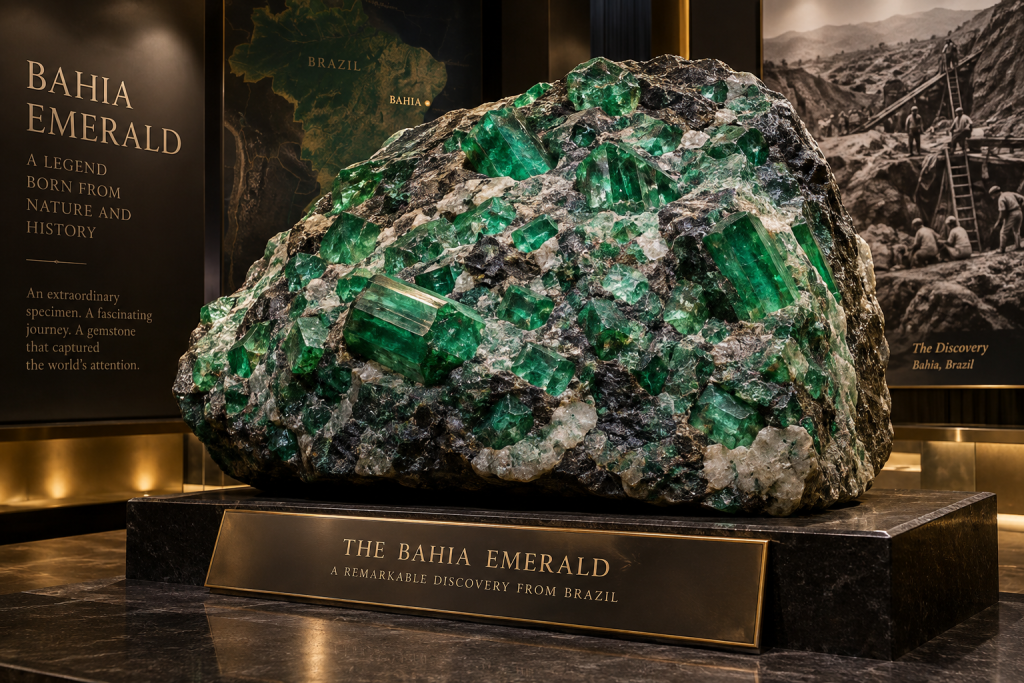
What Is the Bahia Emerald?
Despite its name, the Bahia Emerald is not a single faceted gem. It is a huge mineral specimen made up of many long emerald crystals set in their natural host rock.
Its appearance offers a dramatic look at how emeralds occur in nature before individual crystals are extracted, cut, and polished. It is often described as one of the largest emerald-bearing specimens ever found.
Discovered in Brazil
The Bahia Emerald was unearthed in Bahia, in northeastern Brazil, in 2001. Brazil has long been an important source of emeralds, with several mining regions producing gem material. The discovery of such a massive emerald-bearing specimen, however, was extraordinary.
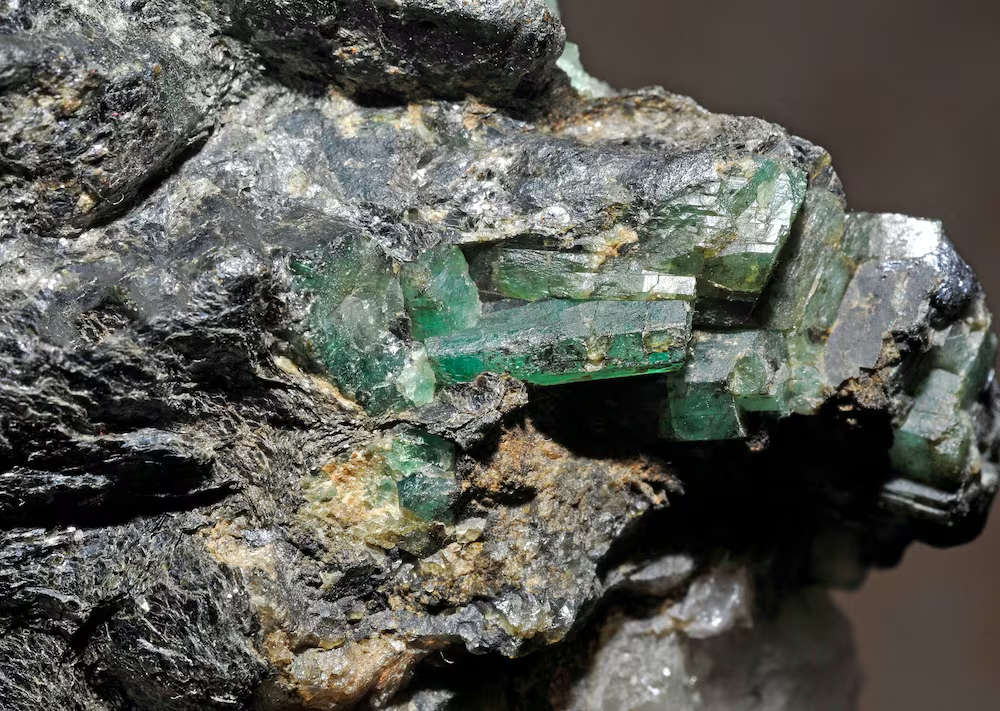
Rather than being broken up for its crystals, the formation was kept largely intact, which allowed it to become famous as a single specimen.
The Bahia Emerald’s Unusual Journey
The specimen was eventually brought to the United States, and from there its history became increasingly complicated. It reportedly changed hands and locations several times, and questions about its ownership began to grow.
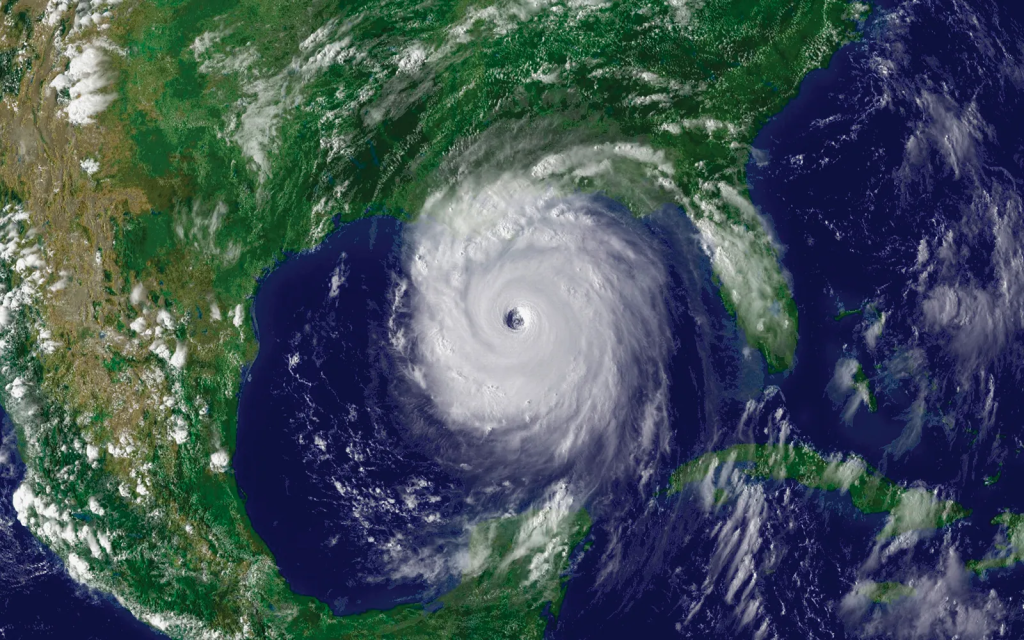
At one point it was stored in New Orleans when Hurricane Katrina struck in 2005, and reports say it was submerged during the flooding. The specimen survived and later resurfaced in California. Since the late 2000s, it has been held in the custody of the Los Angeles County Sheriff’s Department while the courts decided who owned it.
The Ownership Battle
The Bahia Emerald became the center of a long and tangled legal dispute. Around ten individuals and several companies claimed ownership or financial interests in the stone in California courts, and a California court eventually awarded title to a group of private claimants.
Meanwhile, the government of Brazil argued that the emerald had been illegally mined and exported and therefore belonged to Brazil. In November 2024, a US District Court judge in Washington, D.C. enforced a Brazilian court’s forfeiture judgment, clearing the way for the emerald to be returned to Brazil. Brazilian officials have said they hope to place it on public display.
The case shows that the provenance and legal history of an extraordinary gemstone can become almost as important as the stone itself, a lesson that applies to every serious purchase. Our guide on how to buy a natural emerald explains the documentation to look for.
Is It Really Worth Hundreds of Millions?
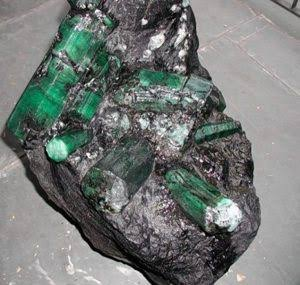
One of the most debated aspects of the Bahia Emerald is its value. Over the years, extremely high figures have been attached to it in the press, sometimes reaching hundreds of millions of dollars. Assigning a reliable market value to such an unusual object, however, is extremely difficult.
A giant emerald-bearing rock cannot be valued by multiplying its total weight by the price per carat of a fine faceted emerald. Gem-quality emerald value depends on color, clarity, transparency, treatment, size, and suitability for cutting, and much of the Bahia specimen is host rock or material unlikely to yield fine polished gems.
Its fame and uniqueness may add significantly to its perceived value. For comparison, see what fine cut emeralds have actually achieved at auction in the world’s most expensive emeralds ever sold.
Why Wasn’t It Cut Into Individual Emeralds?
Breaking the Bahia Emerald apart might seem an obvious way to recover valuable crystals. Doing so, however, would destroy one of its most remarkable qualities: its natural formation.
As an intact specimen, it shows how large emerald crystals grow within their geological environment. Once separated and cut, that structure could never be recreated, so its scientific, historical, and collector interest goes well beyond the potential value of individual stones.
Brazil’s Place in Emerald History
The Bahia Emerald also highlights Brazil’s important role in the global emerald industry.
Colombian emeralds are especially famous for their history and vivid green, but significant emerald deposits are also found in Brazil, Zambia, and several other countries. Brazilian emeralds show a wide range of green tones and qualities. To learn how the two best-known sources compare, read Colombian vs. Zambian emeralds.
More Than an Emerald
The story of the Bahia Emerald shows that gemstone history is not always about royal crowns, famous jewelry, or record-breaking auctions. Sometimes a natural specimen becomes famous because of everything that happens after it leaves the ground.
The Bahia Emerald has been linked with international transport, Hurricane Katrina, competing ownership claims, court proceedings, an international legal battle, and extraordinary estimates of its value.
That unusual history has made it one of the most recognizable emerald discoveries of the modern era.
Final Thoughts
The Bahia Emerald is extraordinary not because it is a polished gem, but because it is a massive natural formation containing countless emerald crystals within their host rock.
Discovered in Brazil in 2001, its journey from Bahia to a long American ownership dispute, and possibly home again, turned a remarkable geological find into an equally remarkable story. It reminds us that the fascination of gemstones is not always measured in color, clarity, or carat weight. When you are ready to choose a finished emerald of your own, our Emerald Buying Guide can help.
Discover the timeless beauty of emeralds and explore our collection of exceptional natural emeralds to find a remarkable gemstone of your own.